
Nail Fungus Treatment
Nail fungus (onychomycosis), is a common nail infection that, left untreated, can lead to pain, discomfort, disfigurement, and psychosocial impact. Because there are many types of nail fungus including yeast and molds, an accurate diagnosis is essential in order to get the right treatment. Now you can get expert nail care from one of the only dermatologists in the country with an easy-to-access telehealth appointment.
What Is Nail Fungus?
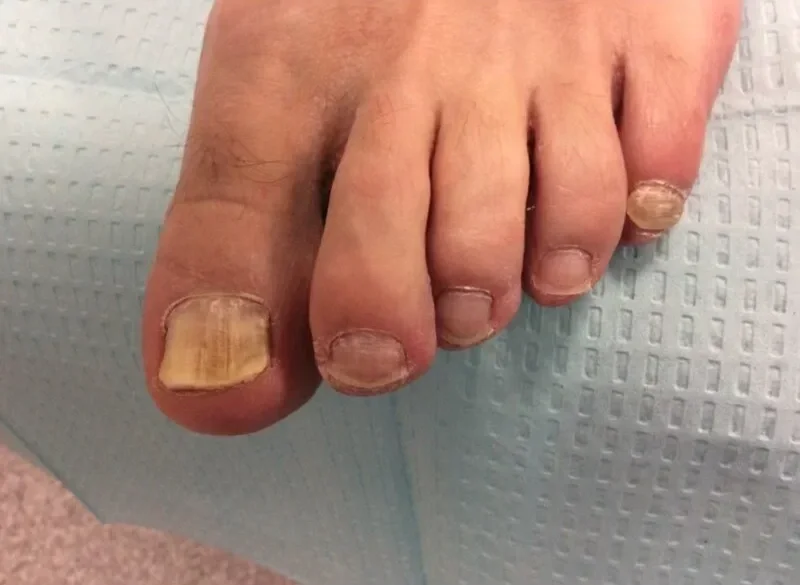
Nail fungus (onychomycosis), is one of the most common nail conditions in this country, yet it’s widely underdiagnosed and often mistaken for something else. In fact, only half of abnormal, thick, discolored toenails are actually caused by fungus, which is why an accurate diagnosis matters before starting treatment.
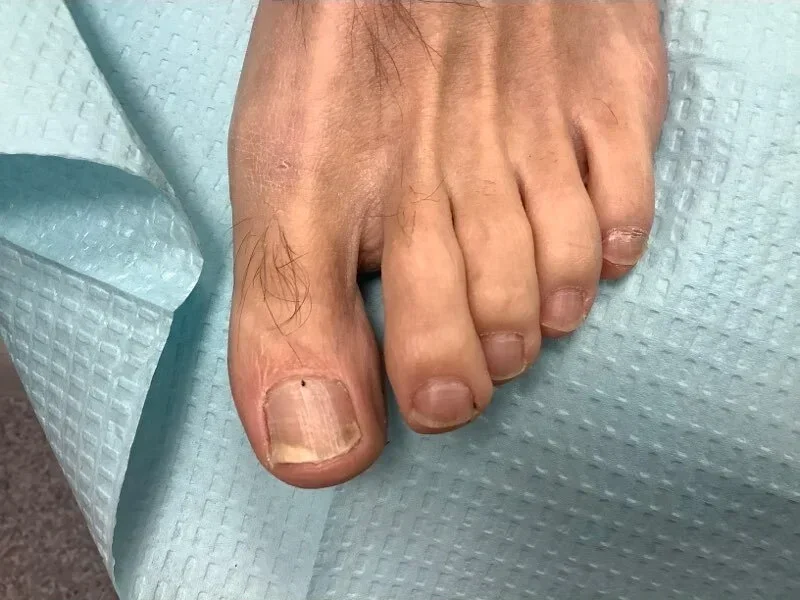
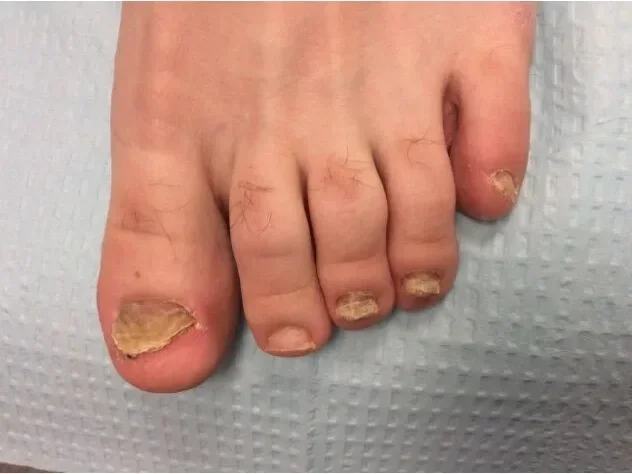
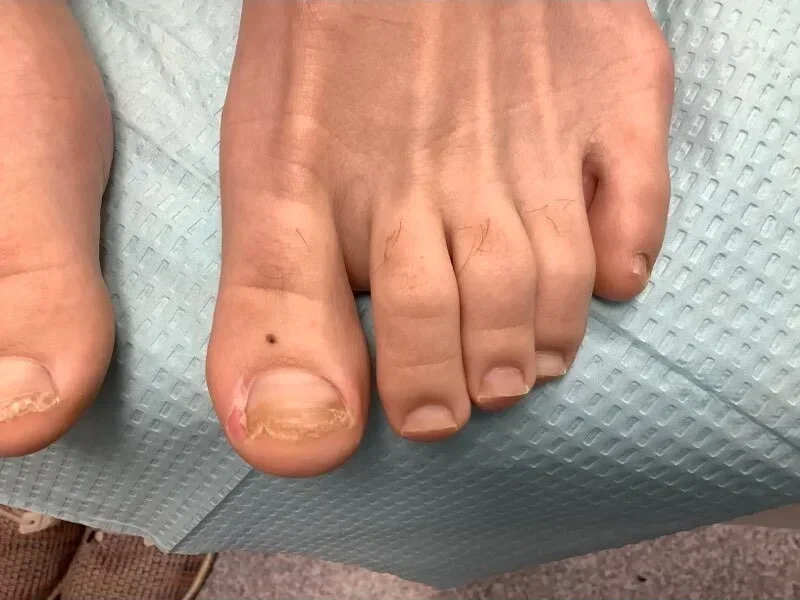
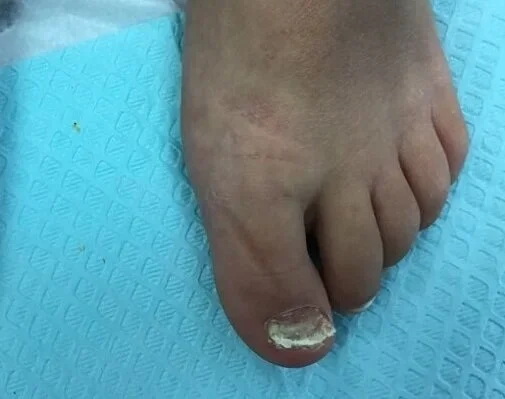
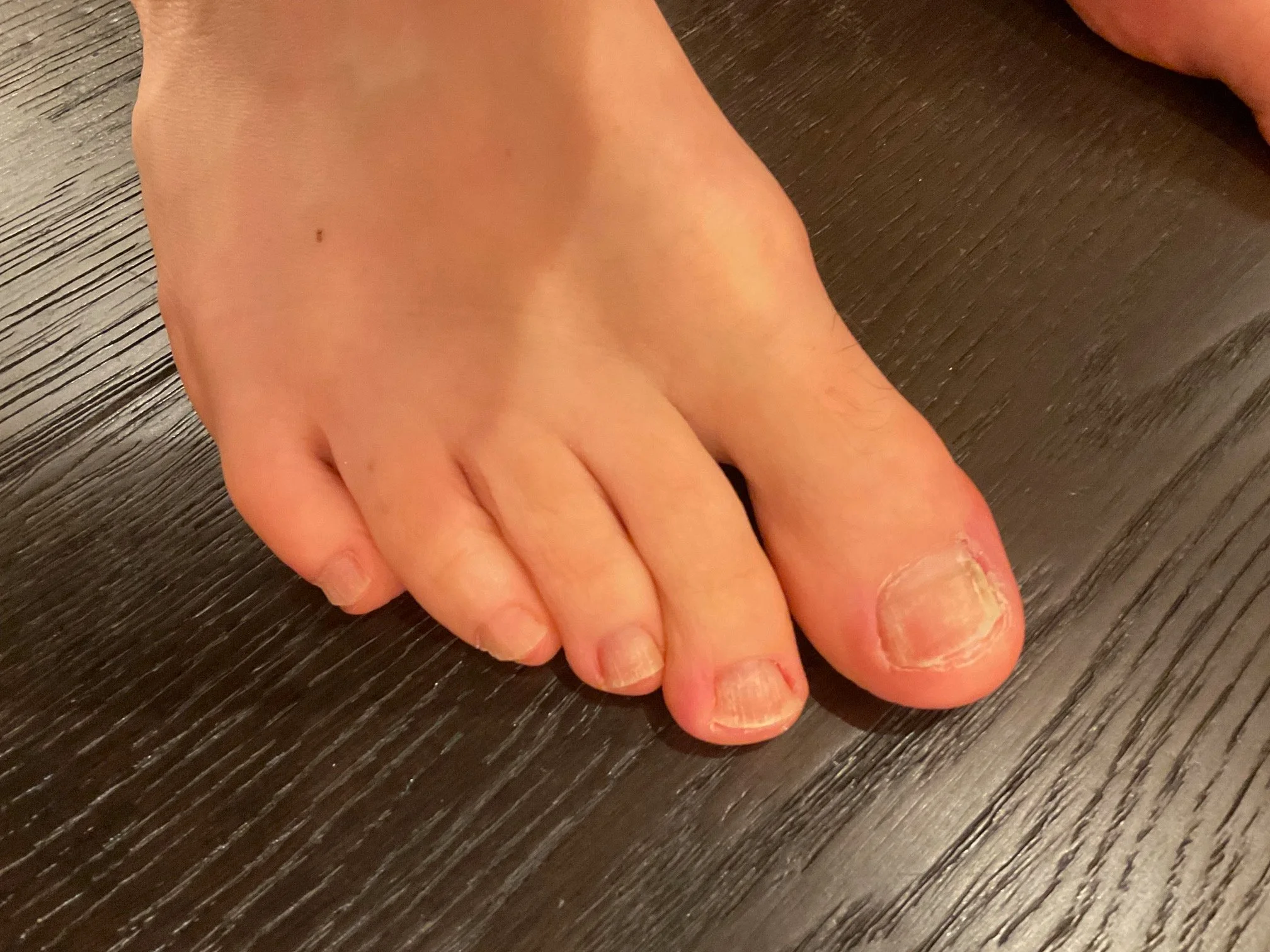
Nail fungus typically appears yellow, brown, or white, with a thickened, crumbly texture, visible debris under the nail, and sometimes redness in the surrounding skin. But because the appearance can overlap with other nail conditions, diagnosis can be tricky even for medical professionals.
35 million
Americans affected by nail fungus
Only 6.3 million
are actually diagnosed
Only 2.5 million
go on to receive treatment
50%
of all nail disorders are onychomycosis
What Causes Nail Fungus?
The most common risk factors include: increasing age, diabetes, suppressed immunity, excessive sweating (hyperhidrosis), poor circulation, and nail dystrophy (irregular growing nails). In addition, those who take medications that weaken the immune system—like steroids or chemotherapy—are particularly susceptible. We also believe that there is genetic susceptibility as well. Nail fungus can also be acquired from fungal infections at other areas of the body. For example, athlete’s foot (tinea pedis) is the number one cause of toenail fungus. This is especially true if the nail is damaged or lifted.
Signs and Symptoms of Nail Fungus
If you’re experiencing any of the following nail changes, an evaluation may be warranted.
Yellow, white, or brown nail discoloration
Thickened or crumbly nails
Nail lifting from the nail bed
Changes in nail shape or texture
Discomfort in shoes or during activity
Psychological distress about nail appearance
View Our Real Patients Results
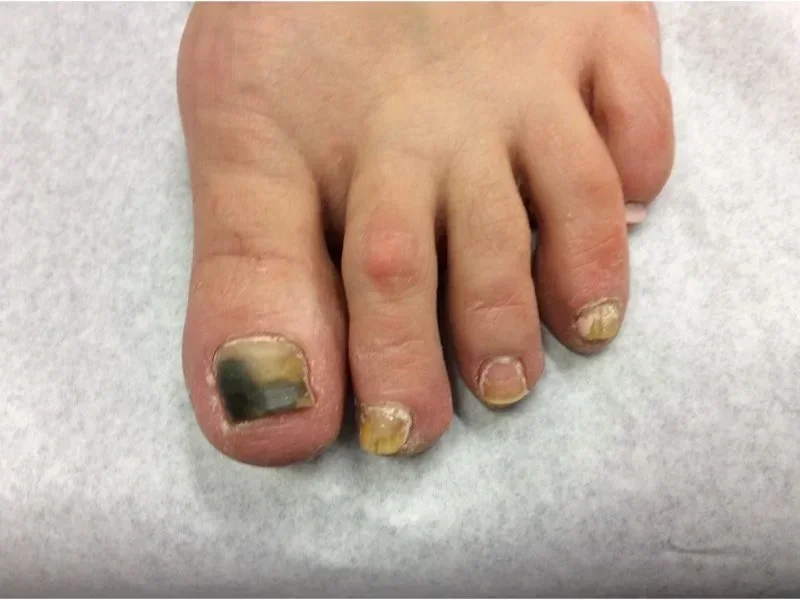
Pre-treatment
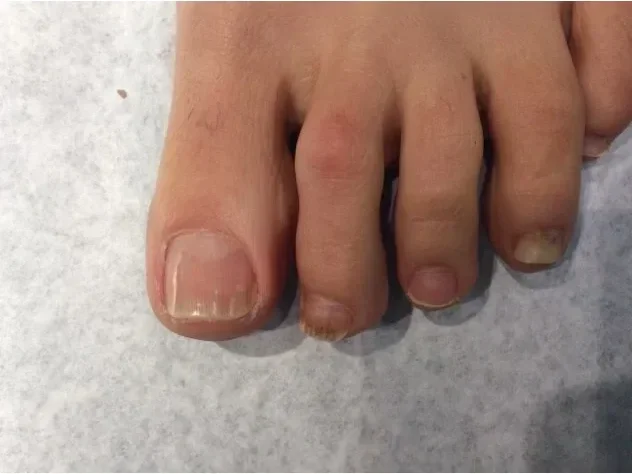
Post-treatment
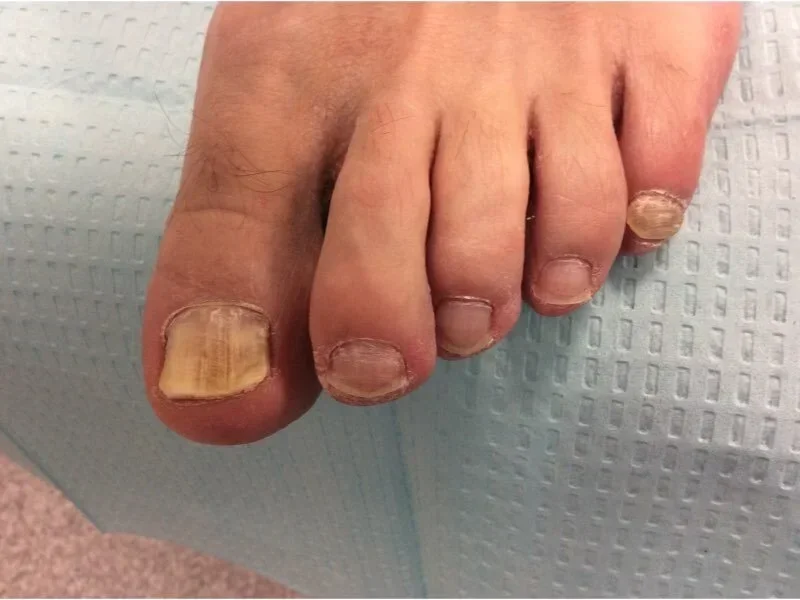
Pre-treatment
Post-treatment
Pre-treatment
Post-treatment
Pre-treatment
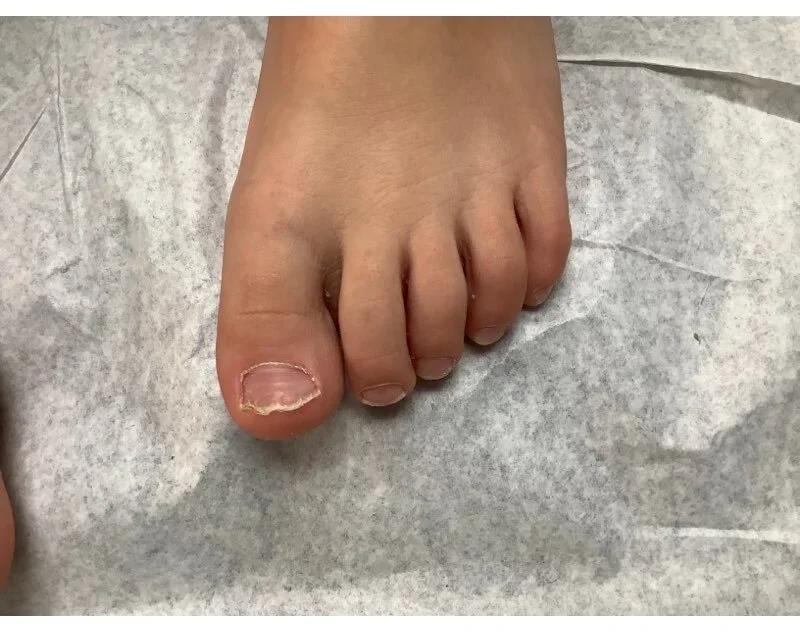
Post-treatment
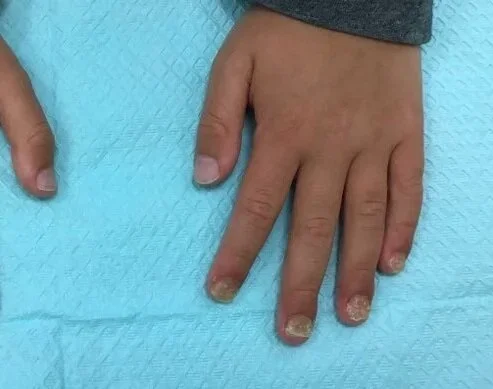
Pre-treatment
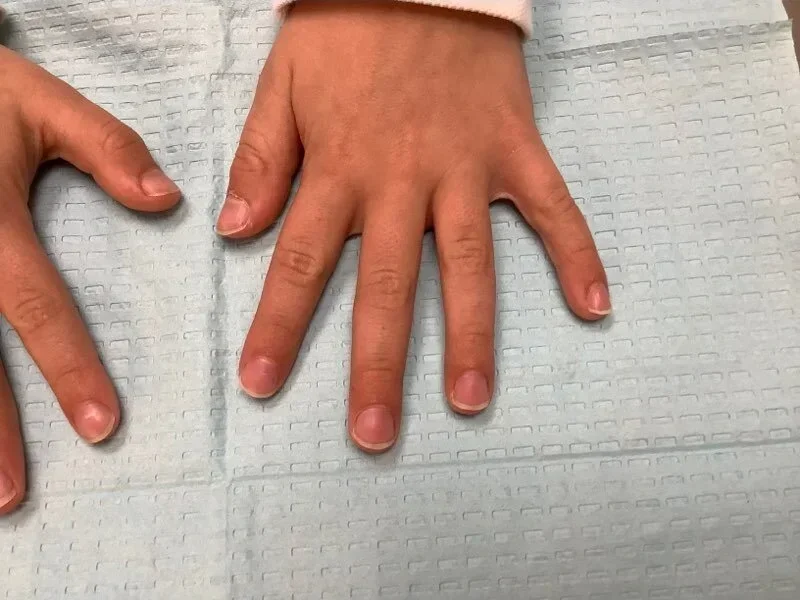
Post-treatment
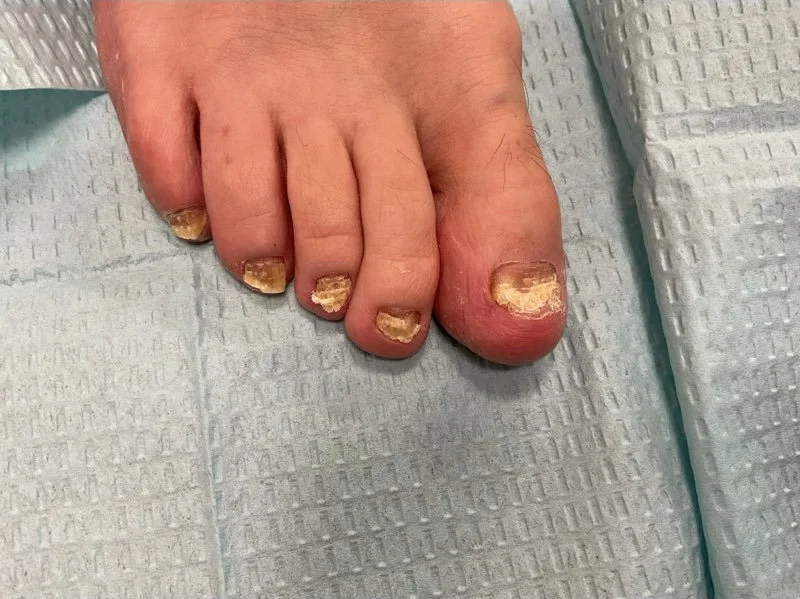
Pre-treatment
Post-treatment
How Dr. Stern Evaluates Nail Fungus Virtually
For both asynchronous e-visit and live video consults, Dr. Stern will review your photos and intake forms, prior treatments and your current medications and health history. For asynchronous e-visits, you will be provided with a detailed plan to take to your local provider where Dr. Stern’s recommended testing and treatment will take place. For live video consults, Dr. Stern will be able to test your nails using PCR and to send labs and prescriptions as appropriate.
Treatment for Nail Fungus
Your individualized treatment strategy will depend on the type of fungus you have, severity, number of nails involved, and your history.
Possible treatment approach:
Prescription topical medication for nails
Treatment for athlete’s foot
Oral antifungal medication when appropriate
Nail care recommendations
Fungal reinfection prevention guidance
Lab testing to guide treatment
Monitoring nail growth over time
Local care coordination if needed
When Nail Fungus Treatment Has Not Worked
If your nail fungus has not improved despite over-the-counter treatments, prescription medications, laser therapy, or repeated attempts, Dr. Stern will carefully review your history, prior testing, and previous treatments to determine why treatment failed and develop a personalized plan for what to do next.

About Dr. Stern
Dr. Dana Stern is a board-certified dermatologist with more than 20 years of experience treating nail disorders. Her practice is devoted exclusively to nail health, and she is a nationally recognized expert, published author, and frequent speaker on nail disease. Recognized by Castle Connolly and Super Doctors and regularly featured in the media, Dr. Stern provides convenient, expert care through her specialized virtual nail consultation practice.
Start Your Virtual Nail Consultation
If you think you may have nail fungus or if previous treatments haven’t worked, Dr. Stern can help establish the correct diagnosis and develop a personalized treatment plan. Through a secure virtual consultation, you’ll receive an expert evaluation, individualized recommendations, and guidance designed to treat the infection and help reduce the risk of recurrence.
New Patients
For patients who would like to begin care with Dr. Stern through a virtual nail consultation.
Current Patients
For established patients who need a follow up visit, medication review, treatment update, or ongoing nail care guidance.
Nail Fungus FAQ
-
Yes! Through a live-video consult, Dr. Stern will provide simple instructions on how you can send us samples of your affected nails. We will send them to a trusted lab for PCR testing and Dr. Stern will follow up with you with your results and proposed treatment plan. If you choose to do an asynchronous e-visit, Dr. Stern will provide you with an individualized treatment plan to take to your local provider.
-
Yes! Through a live-video consult, Dr. Stern will be able to provide prescriptions as needed. If you choose to do an asynchronous e-visit, Dr. Stern will provide you with an individualized treatment plan including recommended prescriptions, to take to your local provider.
-
Nail fungus almost always begin as a fungal infection on the skin (athelete’s foot primarily) and then spreads to a damaged nail that has an entry point.
-
The first step is an accurate diagnosis. A nail expert will tailor your treatment plan to your specific case and medical history.
-
One of the most common reasons is misdiagnosis. Another common reason is that treatment wasn’t long enough. And lastly, reinfection risks are often not adequately addressed by providers who are not nail experts.
-
For toenails a typical treatment period is 6-12 months. Fingernails can usually be treated in 6 months.
-
Even after successful treatment, nail fungus recurs in approximately 20–25% of patients. In most cases, recurrence is not because the medication “didn’t work,” but because of reinfection from untreated athlete’s foot (tinea pedis), contaminated footwear, or other ongoing risk factors. Recurrence can also be due to incomplete eradication of the original infection or an incorrect initial diagnosis. Dr. Stern believes that identifying the reason for treatment failure or recurrence is essential to reducing the risk of future infection.
-
Many patients assume their fungus “came back,” when in reality they may never have had a fungal infection to begin with. Nail psoriasis, trauma, aging, and other nail disorders can closely mimic fungal infection, making confirmation of the diagnosis and careful review of prior testing an important part of evaluating treatment failure.
-
Ultimately yes, all suspected fungal nails should be properly tested. Dr. Stern prefers to test nails using PCR so that she can determine the exact type of fungus causing the issue in order to most effectively target therapy.
-
You will receive links to either your email or text that contain our demographic form, consent form, nail questionnaire and photo upload instructions. Our staff is always available to help should you have any questions or issues.