
Occupational Induced Nail Disorders
Your occupation can have a significant impact on the health of your nails. Repeated exposure to water, chemicals, trauma, or repetitive hand use can lead to chronic nail damage, infections, inflammation, and changes in nail growth. Through a virtual nail consultation, Dr. Dana Stern can identify whether your work environment is contributing to your nail condition and develop a personalized treatment plan to restore healthy nails while helping you prevent future damage.
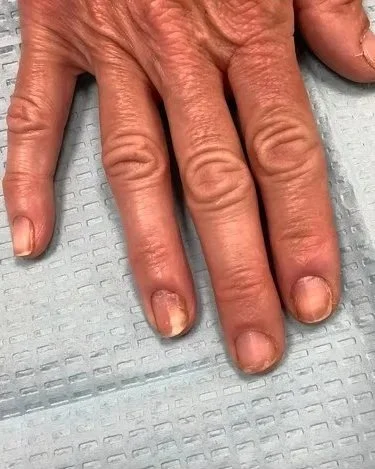
What Are Occupational Induced Nail Disorders?
Occupationally induced nail disorders are nail conditions caused or aggravated by workplace exposures. Repeated contact with water, detergents, solvents, chemicals, repetitive trauma, or prolonged glove use can damage the nail plate, cuticle, nail folds, and surrounding skin, resulting in a wide variety of nail problems. Healthcare workers, hairstylists, food service workers, bartenders, mechanics, construction workers, cleaners, laboratory personnel, gardeners, musicians, and many others place unique demands on their nails every day. Over time, these exposures can lead to brittle nails, nail separation (onycholysis), chronic paronychia, nail infections, contact dermatitis, and permanent nail changes if not recognized early.
Common Causes of Work Related Nail Damage
The specific cause depends on your occupation and workplace exposures. Repeated trauma, prolonged moisture exposure, chemicals, and allergens can all damage the nail unit and surrounding skin. Certain professions including healthcare workers, hairstylists, food handlers, mechanics, cleaners, bartenders, and construction workers have a particularly high risk of developing occupational nail disorders. Other common risk factors include: frequent hand washing or prolonged exposure to water (“wet work”), soaps, detergents, chemicals and disinfectants as well as repetitive trauma, tight-fitting gloves or prolonged glove use, mechanical pressure or vibration, irritants and workplace allergens or repetitive manipulation of the nails.
Common Signs of Occupational Induced Nail Disorders
Occupational nail disorders can affect both the nails and the surrounding skin. Symptoms often develop gradually and worsen with continued workplace exposure. If you’re experiencing any of the following nail changes, an evaluation may be warranted.
Brittle or splitting nails
Nail separation (onycholysis)
Thickened or discolored nails
Chronic redness or swelling around the nail
Recurrent paronychia or nail infections
Pain or tenderness around the nails
Nail ridging or deformity
Cracked or damaged cuticles
Chronic hand dermatitis
Nail changes that worsen during the workweek
How Dr. Stern Evaluates Occupational Induced Nail Disorders Virtually
For both asynchronous e-visit and live video consults, Dr. Dana Stern will review your photos and intake forms, prior treatments and your current medications and health history. For asynchronous e-visits, you will receive a detailed treatment plan to share with your local healthcare provider, including recommendations for additional evaluation when needed. During live video consultations, Dr. Stern can prescribe medications when appropriate, coordinate laboratory testing if appropriate, and recommend local procedures such as nail biopsy when indicated.
Occupational Induced Nail Disorder Treatment Options
Your treatment plan will depend on the underlying diagnosis, the severity of nail damage, and the specific workplace exposures involved. Whenever possible, treatment focuses on both restoring healthy nails and reducing continued workplace injury.
Possible treatment approach:
Prescription topical medications
Treatment of bacterial or fungal infection if present
Barrier repair and moisturizing strategies
Recommendations for workplace protection
Identification and avoidance of occupational irritants
Nail care recommendations
Patch testing when appropriate
Protective glove recommendations
Monitoring nail growth over time
Local care coordination if additional treatment is needed
Find The Right Next Steps For Occupational Nail Problems
If your nail condition has not improved despite changing products, using protective gloves, prescription medications, or repeated treatments, Dr. Stern will carefully review your occupational exposures, previous treatments, and medical history to determine why your condition persists. In some cases, an underlying nail disorder may be contributing to your symptoms. Identifying the correct diagnosis is essential for successful treatment.

About Dr. Stern
Dr. Dana Stern is a board-certified dermatologist with more than 20 years of experience treating nail disorders. Her practice is devoted exclusively to nail health, and she is a nationally recognized expert, published author, and frequent speaker on nail disease. Recognized by Castle Connolly and Super Doctors and regularly featured in the media, Dr. Stern provides convenient, expert care through her specialized virtual nail consultation practice.
Start Your Virtual Nail Consultation
If your work is affecting the health of your nails, Dr. Stern can help identify the underlying cause and develop a personalized treatment plan. Through a secure virtual consultation, you’ll receive an expert evaluation and practical recommendations designed to restore healthy nail growth while helping you protect your nails on the job.
New Patients
For patients who would like to begin care with Dr. Stern through a virtual nail consultation.
Current Patients
For established patients who need a follow up visit, medication review, treatment update, or ongoing nail care guidance.
Occupational Induced Nail Disorder FAQ
-
Yes. In many cases, Dr. Stern can diagnose occupationally induced nail disorders by reviewing your medical history, high-quality nail photographs, and a detailed discussion of your occupation, workplace exposures, and daily activities. If additional testing such as fungal testing or patch testing is recommended, she will explain exactly what is needed and incorporate those recommendations into your personalized treatment plan.
-
Yes. It is a common misconception that gloves are always protective. Gloves can trap moisture and contribute to occupational nail disorders.
-
Yes, nail separation is a common work related nail issue.
-
Yes, many people have occupations that interfere with nail health and so the right protection and treatment is imperative.
-
It depends on the extent of damage, where the damage is on the nail, and whether it is a fingernail or toenail.
-
Yes. Repeated exposure to water, chemicals, trauma, and workplace irritants can lead to a variety of nail disorders, particularly in occupations involving frequent hand use or “wet work.”
-
Healthcare workers, hairstylists, food service workers, mechanics, cleaners, construction workers, laboratory personnel, gardeners, musicians, and others with frequent hand exposure or repetitive trauma are at increased risk.
-
Yes. Occupational nail disorders often resemble nail fungus, psoriasis, eczema, allergic contact dermatitis, and other inflammatory nail diseases.
-
You will receive links to either your email or text that contain our demographic form, consent form, nail questionnaire and photo upload instructions. Our staff is always available to help should you have any questions or issues.