
Nail Infection Treatment
Bacterial and yeast nail infections can affect the nail and surrounding skin, causing pain, swelling, discoloration, drainage, and changes in nail growth. Because these infections can closely resemble fungal infections and inflammatory nail disorders, an accurate diagnosis is essential to ensure prompt and appropriate treatment. Through a virtual consultation, Dr. Dana Stern can determine the most likely cause of your nail infection, recommend whether urgent local treatment is needed, and develop an individualized plan, including coordination of local care when appropriate.
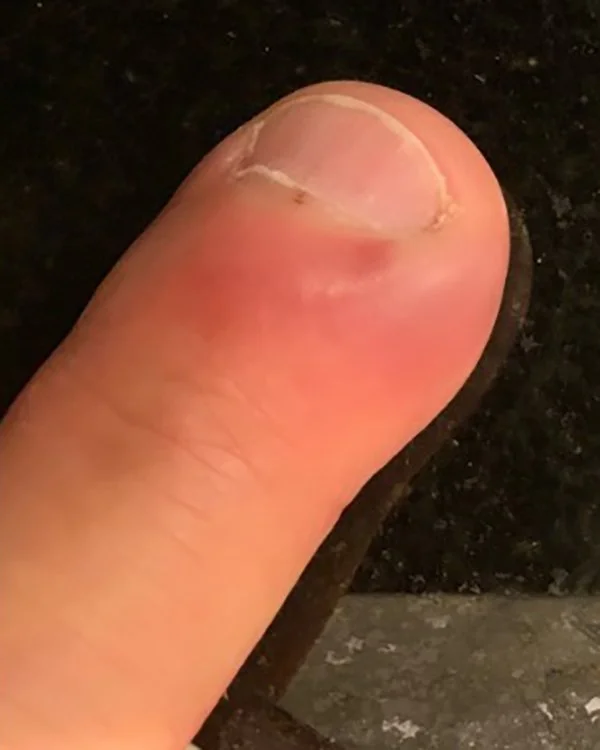
What Is a Nail Infection?
Not all nail infections are fungal. Bacteria and yeast can also infect the nail unit and the surrounding skin, leading to a variety of conditions that affect both the fingernails and toenails. The most common bacterial nail infection is acute paronychia, a painful infection of the skin around the nail that develops rapidly and causes redness, swelling, tenderness, and sometimes drainage. Another common bacterial infection is Pseudomonas, often called green nail syndrome, which produces a characteristic green discoloration of a nail that has become lifted or chronically moist. Yeast, most commonly Candida, can cause chronic paronychia, a persistent inflammation of the skin around the nail where the cuticle becomes damaged or disappears, and the surrounding skin appears red, swollen, and tender. Over time, the nail itself may develop ridges, discoloration, thickening, or irregular growth as the inflammation affects the nail matrix.
What Causes Nail Infection?
Bacterial and yeast nail infections develop when microorganisms enter through a break in the skin or when the protective barrier around the nail becomes damaged. Because these conditions have different causes and require different treatments, establishing the correct diagnosis is an important first step.
Common risk factors include:
Trauma to the nail or cuticle, including nail biting, picking, manicures, and aggressive cuticle trimming
Frequent exposure to water, soaps, detergents, or other irritants (“wet work”)
Nail separation (onycholysis), which creates a space where bacteria such as Pseudomonas can thrive
Chronic moisture trapped beneath artificial nails or prolonged glove use
Diabetes or a weakened immune system
Underlying inflammatory nail disorders, such as psoriasis or eczema
Chronic swelling or poor circulation of the fingers or toes
Signs and Symptoms of a Nail Infection
Nail infections can affect the nail itself, the surrounding skin, or both. If you’re experiencing any of the following symptoms, an evaluation by a nail specialist may be warranted:
Redness, swelling, or tenderness around the nail
Pain or throbbing of the fingertip or toe
Drainage of pus or fluid from around the nail
Green, yellow, white, or brown discoloration of the nail
Separation of the nail from the nail bed (onycholysis)
Thickening, ridging, or distortion of the nail as it grows
Loss of the cuticle or chronically swollen, red or inflamed skin around the nail
Nail changes that have not improved with prior treatment
How Dr. Stern Evaluates Nail Infections Virtually
Dr. Dana Stern will carefully review your photographs, intake forms, prior treatments, current medications, and medical history to determine the most likely cause of your nail infection.
For asynchronous e-visits, you will receive a detailed, individualized treatment plan to share with your local healthcare provider. Dr. Stern will outline any recommended testing and treatment based on her assessment. For live video consultations, she can coordinate PCR nail testing when appropriate, order laboratory studies, and prescribe medications when appropriate.
If Dr. Stern suspects an acute paronychia or another bacterial infection requiring prompt treatment, she will recommend that you seek local medical care as soon as possible and provide guidance regarding the urgency of treatment and coordinate recommendations to help ensure timely care while preserving the health of the nail.
Nail Infection Treatment Options
Your individualized treatment strategy will depend on the type of fungus you have, severity, number of nails involved, and your history and current medications.
Possible treatment recommendations may include:
Prescription topical medications
Oral medications when appropriate
PCR or other laboratory testing to confirm the diagnosis and guide treatment
Drainage or other urgent local treatment for acute paronychia when indicated
Treatment of underlying conditions that contribute to recurrent infection, such as chronic moisture exposure or nail separation
Nail care recommendations to promote healing and prevent recurrence
Monitoring nail growth and response to treatment over time
Coordination of local care, including laboratory testing, procedures, or prescriptions when needed
Get The Right Diagnosis For A Persistent Nail Infection
If your nail infection has not improved despite topical treatments, oral medications, drainage, or repeated treatment attempts, Dr. Stern will carefully review your history, prior testing, photographs, and previous therapies to determine why treatment may have failed. She will assess whether the original diagnosis was correct, whether an underlying trigger such as moisture exposure or nail separation is still present, and whether additional testing or a different treatment approach is needed.

About Dr. Stern
Dr. Dana Stern is a board-certified dermatologist with more than 20 years of experience treating nail disorders. Her practice is devoted exclusively to nail health, and she is a nationally recognized expert, published author, and frequent speaker on nail disease. Recognized by Castle Connolly and Super Doctors and regularly featured in the media, Dr. Stern provides convenient, expert care through her specialized virtual nail consultation practice.
Start Your Virtual Nail Consultation
If you’re experiencing redness, swelling, pain, drainage, discoloration, or other signs of a nail infection, Dr. Stern can help determine the underlying cause and recommend the most appropriate treatment. Through a secure virtual consultation, you’ll receive an expert evaluation and a personalized treatment plan designed to resolve the infection and restore healthy nail growth.
New Patients
For patients who would like to begin care with Dr. Stern through a virtual nail consultation.
Current Patients
For established patients who need a follow up visit, medication review, treatment update, or ongoing nail care guidance.
Nail Infection FAQ
-
Yes. In many cases, Dr. Dana Stern can diagnose bacterial and yeast nail infections through a comprehensive virtual evaluation that includes your medical history, high-quality photographs, and a review of prior treatments. If additional testing or an in-person examination is needed, she will guide you on the next steps and coordinate care with your local provider.
-
Infections can occur when there is an entry point into the skin surrounding the nail or the nail itself.
-
Yes, a damaged or lifted nail is more vulnerable to infection.
-
Yes and biting or pulling on a hangnail is one of the more common causes of acute paronychia (bacterial infection).
-
Often bacterial infections of the nail need to be drained. It is also important to culture the nail when a bacterial infection is suspected.
-
One of the most common reasons is an incorrect diagnosis. Bacterial infections, yeast infections, fungal infections, psoriasis, eczema, and other nail disorders can look remarkably similar but require very different treatments. Another common reason is that the underlying cause (chronic moisture exposure, trauma, or damage to the cuticle) was never corrected, allowing the infection to recur despite treatment.
-
The timeline depends on the type of infection. Acute bacterial infections (acute paronychia) often improve within days to weeks once treated appropriately. Chronic paronychia and Pseudomonas infections may require several weeks or longer, particularly if the nail has become damaged. If the nail itself has been affected, it can take several months for a healthy nail to grow out.
-
Yes. Nail infections can recur if the underlying risk factors are not addressed. Repeated moisture exposure, chronic trauma, nail separation, disruption of the cuticle, and certain medical conditions can all increase the risk of recurrence. Identifying and correcting these contributing factors is an important part of preventing future infections.
-
Absolutely. Bacterial and yeast infections are frequently mistaken for fungal infections, psoriasis, eczema, contact dermatitis, or other inflammatory nail disorders. Likewise, what appears to be an infection may actually have a noninfectious cause. An accurate diagnosis is essential because treatment depends entirely on identifying the underlying problem.
-
Not always. Many bacterial and yeast nail infections can be diagnosed clinically based on the history and appearance of the nail. However, if the diagnosis is uncertain, the infection is not responding to treatment, or a fungal infection is also suspected, Dr. Stern may recommend additional testing, including bacterial or fungal cultures, PCR testing, or other laboratory studies to guide treatment. If Dr. Stern suspects an acute paronychia or another bacterial infection requiring prompt treatment, she will recommend that you seek local medical care and that a bacterial culture is done as soon as possible.
-
You will receive links to either your email or text that contain our demographic form, consent form, nail questionnaire and photo upload instructions. Our staff is always available to help should you have any questions or issues.