
Benign Nail Tumor
A benign nail tumor is a noncancerous growth that develops within or around the nail unit and can cause changes in nail color, shape, thickness, or growth. Although not cancerous, many benign nail tumors resemble nail cancer, fungal infections, or other nail disorders, making expert evaluation essential.
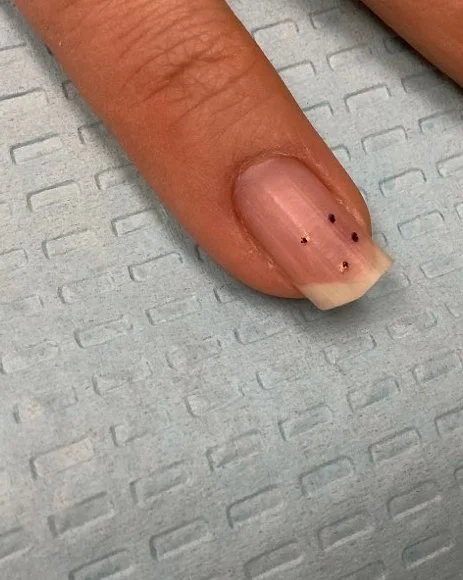
What is a Benign Nail Tumor?
Benign nail tumors are noncancerous growths that arise from the nail matrix, nail bed, surrounding skin, or tissues beneath the nail. Although they do not spread to other parts of the body, they can cause pain, nail deformity, discoloration, or disruption of normal nail growth. Some remain stable for years, while others gradually enlarge over time. There are many different types of benign nail tumors, including warts, onychopapilloma, onychomatricoma, glomus tumors, periungual fibromas, pyogenic granulomas, and other less common lesions. Each has its own characteristic appearance and treatment approach.
What Causes Growth Under or Around the Nail?
Benign nail tumors develop when cells within or around the nail unit grow abnormally. The exact cause depends on the specific type of tumor. Some develop spontaneously, while others may be associated with trauma, aging, inherited conditions, or chronic irritation. Possible contributing factors include:
Prior nail trauma
Repetitive injury to the nail
Aging
History of HPV
Certain inherited syndromes
Chronic inflammation
Underlying bone abnormalities
Idiopathic (no identifiable cause)
Signs and Symptoms of a Benign Nail Tumor
Benign nail tumors may affect fingernails or toenails and often develop gradually over time. If you’re experiencing any of the following nail changes, an evaluation may be warranted.
Persistent thickening or distortion of one nail
A new bump or growth beneath or around the nail
A longitudinal red or brown or black streak or discoloration
Splitting of the nail
Pain beneath the nail including sensitivity to pressure or cold
Nail lifting (onycholysis)
Progressive nail deformity
Recurrent bleeding beneath the nail
A lesion that has continued to enlarge
Nail changes that have not responded to treatment
View Our Real Patients Results
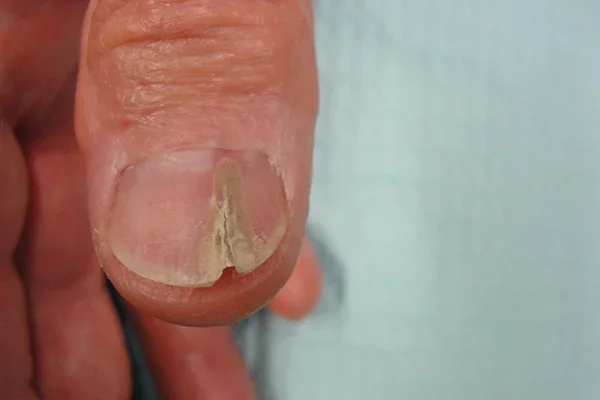
Pre-treatment
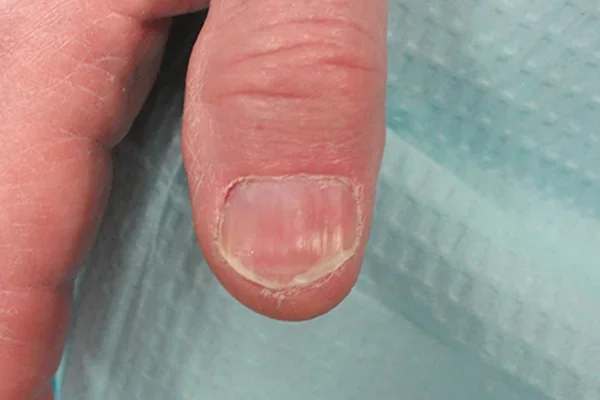
Post-treatment
How Dr. Stern Evaluates Benign Nail Tumors Virtually
For both asynchronous e-visits and live video consultations, Dr. Stern carefully reviews your nail photographs, medical history, symptoms, and the timeline of your nail changes. She evaluates the location, color, shape, and growth pattern of the lesion to determine the most likely diagnosis. For asynchronous e-visits, you will receive a detailed assessment and recommendations that can be shared with your local dermatologist, hand surgeon, or podiatrist if additional imaging, biopsy, or surgical treatment is recommended. For live video consultations, Dr. Stern can discuss your findings in real time, answer your questions, coordinate any necessary testing, and guide you toward the most appropriate next step in your care.
Benign Nail Tumor Treatment Options
Treatment depends on the specific type of tumor, whether it is causing symptoms, and whether the diagnosis is certain. Some benign tumors require no treatment, while others are best managed surgically because of pain, progressive nail deformity, or uncertainty regarding the diagnosis.
Possible treatment approach:
Observation when appropriate
Nail biopsy to establish the diagnosis
Surgical removal of symptomatic tumors
Imaging studies for selected tumors
Pain management recommendations
Monitoring for changes over time
Local care coordination with surgeons or other specialists when needed
Take The Next Step Toward An Accurate Nail Tumor Diagnosis
Many benign nail tumors are initially mistaken for nail fungus, chronic trauma, warts, ingrown nails, or even melanoma. If your nail change has persisted despite treatment or continues to enlarge, a more specialized evaluation may be warranted. Dr. Stern will carefully review your history, previous treatments, and nail findings to determine whether additional imaging, biopsy, or referral for surgical management is appropriate.

About Dr. Stern
Dr. Dana Stern is a board-certified dermatologist with more than 20 years of experience treating nail disorders. Her practice is devoted exclusively to nail health, and she is a nationally recognized expert, published author, and frequent speaker on nail disease. Recognized by Castle Connolly and Super Doctors and regularly featured in the media, Dr. Stern provides convenient, expert care through her specialized virtual nail consultation practice.
Start Your Virtual Nail Consultation
If you’ve developed a persistent nail growth, unexplained nail deformity, or a lesion that has not responded to previous treatment, Dr. Stern can help determine whether it represents a benign nail tumor or another nail condition. Through a secure virtual consultation, you’ll receive an expert evaluation and a personalized plan for diagnosis, treatment, and any recommended next steps.
New Patients
For patients who would like to begin care with Dr. Stern through a virtual nail consultation.
Current Patients
For established patients who need a follow up visit, medication review, treatment update, or ongoing nail care guidance.
Benign Nail Tumor FAQ
-
Yes. A virtual consultation is often an excellent first step. Dr. Stern can review your photographs and medical history to determine the most likely diagnosis and whether additional testing or biopsy is recommended. If she feels that she cannot make a definitive diagnosis without an in-person examination, she will recommend follow up care with a local provider.
-
Yes, benign tumors can cause a wide variety of clinical presentations including ridging or splits.
-
Not all benign nail growths require a biopsy but many do and so an expert evaluation is imperative.
-
Yes, unfortunately benign tumors can recur after biopsy.
-
No. Benign nail tumors do not spread to other parts of the body. However, because some benign tumors closely resemble nail cancer, establishing the correct diagnosis is important.
-
Most benign nail tumors do not become cancerous. However, any changing or suspicious lesion should be evaluated to ensure the diagnosis is correct.
-
Not always. Some benign nail tumors have very characteristic clinical features. If the diagnosis remains uncertain or there is concern for malignancy, Dr. Stern may recommend a nail biopsy.
-
No. Many benign tumors can simply be monitored if they are not causing symptoms or nail damage. Surgery is typically reserved for painful, enlarging, or diagnostically uncertain lesions.
-
Yes. Many benign nail tumors are initially treated as fungal infections, warts, or chronic trauma before the correct diagnosis is made. Persistent nail changes affecting a single nail should always be evaluated carefully.
-
You will receive links to either your email or text that contain our demographic form, consent form, nail questionnaire and photo upload instructions. Our staff is always available to help should you have any questions or issues.