
Toenail Dystrophy & Retronychia Treatment
Toenail dystrophy refers to abnormal nail growth that causes thickening, discoloration, pain, or deformity of the nail. One important cause of toenail dystrophy is retronychia, a condition in which the nail stacks in layers and becomes thick, yellow and hardly grows. Because many different disorders can produce a dystrophic toenail, expert evaluation is essential to arrive at the correct diagnosis and develop an effective treatment plan. Through a live video consultation or asynchronous e-visit, Dr. Dana Stern provides individualized recommendations and coordinates any necessary testing, imaging, procedures, or local care.
What Is Nail Dystrophy?
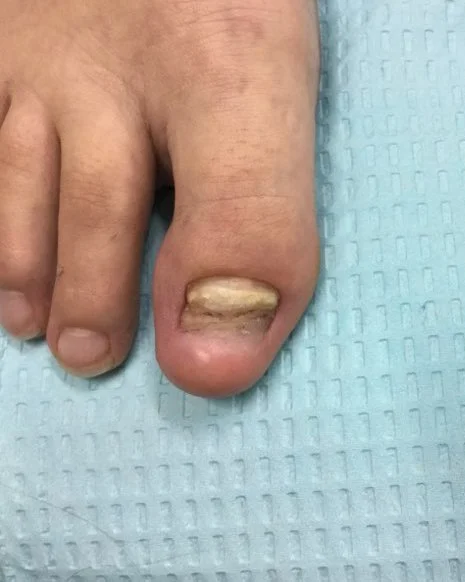
Nail dystrophy is a general medical term describing an abnormal nail. Nail dystrophy refers to changes in the nail’s color, thickness, shape, growth, or attachment that result from an underlying condition. It most commonly affects the toenails, although fingernails can also be involved.
One important cause of toenail dystrophy is retronychia, a condition in which repeated trauma causes a newly forming nail plate to grow abnormally, often with a layered, thick appearance. Retronychia is frequently mistaken for a fungal nail infection, or chronic paronychia, delaying appropriate treatment.
What Causes Nail Dystrophy?
Nail dystrophy has many possible causes, making an accurate diagnosis essential before treatment begins. Common causes include:
Repetitive trauma from running, hiking, sports, or tight-fitting footwear
Retronychia
Fungal nail infection (onychomycosis)
Nail psoriasis
Aging and slowed nail growth
Previous injury to the nail matrix
Benign or malignant nail tumors
Poor circulation and certain systemic medical conditions
Less commonly, inherited nail disorders
Retronychia most commonly develops after repeated trauma to the toenail, particularly the great toenail. Activities such as running, hiking, paddle sports, skiing, soccer, ballet, or wearing heels or shoes that repeatedly compress the toe increase the risk. Because many of these conditions appear similar, a careful evaluation is critical to determining the correct diagnosis.
Signs and Symptoms of Nail Dystrophy
If you’re experiencing any of the following nail changes, an evaluation may be warranted.
Thickened or distorted toenails
Pain around the base of the nail
Redness, swelling, or tenderness of the proximal nail fold
A nail that appears to stop growing
Yellow, white, brown, or black discoloration
Recurrent inflammation around the nail
Nail lifting from the nail bed (onycholysis)
Difficulty wearing shoes or pain with walking or exercise
A nail that has failed to improve despite prior treatment
View Our Real Patients Results
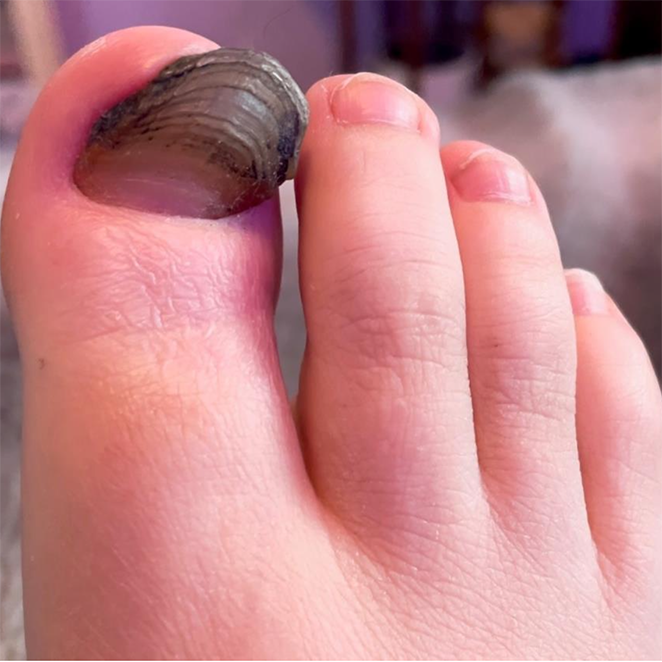
Pre-treatment
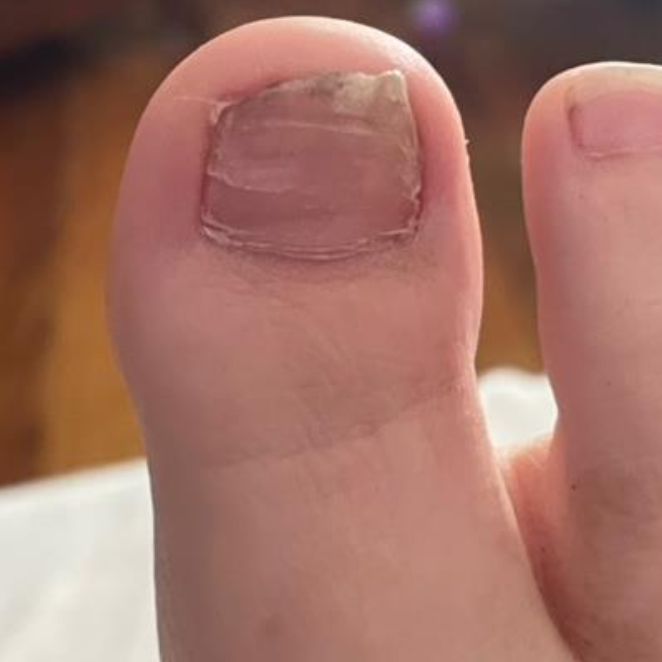
Post-treatment
How Dr. Stern Evaluates Nail Dystrophy Virtually
During both asynchronous e-visits and live video consultations, Dr. Dana Stern carefully reviews your photographs, medical history, prior treatments, imaging (if available), and the progression of your nail changes to determine the most likely diagnosis. For asynchronous e-visits, you will receive a detailed treatment plan outlining recommended testing, imaging, or referral to your local provider. During a live video consultation, Dr. Stern can order laboratory testing when appropriate, prescribe medications where indicated, and coordinate local imaging or procedures if retronychia or another structural nail disorder is suspected. If nail removal or another procedure is necessary, she will guide you toward the appropriate local specialist.
Nail Dystrophy Treatment Options
Your treatment plan will depend on the underlying cause of the nail dystrophy, its severity, the duration of symptoms, and your medical history.
Possible treatment recommendations may include:
Confirmation of the underlying diagnosis
Prescription medications when appropriate
Laboratory testing to exclude fungal infection or other causes
Recommendations to reduce repetitive nail trauma
Shoe gear modifications
Nail care recommendations
Monitoring nail growth over time
Referral for nail avulsion when indicated for retronychia
Coordination of local imaging, procedures, or specialty care
Explore Better Options For Ongoing Nail Dystrophy
If your toenail has not improved despite repeated treatments, over-the-counter products, antifungal medications, laser therapy, or prior procedures, Dr. Stern will carefully review your history, previous testing, and treatment response to determine why.
One of the most common reasons treatment fails is that the underlying diagnosis was incorrect. Many patients treated repeatedly for fungal infection actually have retronychia, trauma, psoriasis, or another nail disorder. Identifying the true cause is the first step toward developing an effective treatment plan.

About Dr. Stern
Dr. Dana Stern is a board-certified dermatologist with more than 20 years of experience treating nail disorders. Her practice is devoted exclusively to nail health, and she is a nationally recognized expert, published author, and frequent speaker on nail disease. Recognized by Castle Connolly and Super Doctors and regularly featured in the media, Dr. Stern provides convenient, expert care through her specialized virtual nail consultation practice.
Start Your Virtual Nail Consultation
If you’re experiencing persistent nail thickening, discoloration, deformity, or other changes in nail growth, Dr. Stern can help determine the underlying cause of your nail dystrophy and develop a personalized treatment plan. Through a secure virtual consultation, you’ll receive an expert evaluation and individualized recommendations designed to restore and preserve healthy nail growth.
New Patients
For patients who would like to begin care with Dr. Stern through a virtual nail consultation.
Current Patients
For established patients who need a follow up visit, medication review, treatment update, or ongoing nail care guidance.
Nail Dystrophy FAQ
-
Yes. In most cases, Dr. Dana Stern can determine the likely cause of nail dystrophy through a comprehensive review of your medical history, high-quality photographs, prior treatments, and previous testing. If additional testing, imaging, or an in-person procedure is needed, she will recommend the appropriate next steps and coordinate care with your local provider.
-
Yes. During a live video consultation, Dr. Stern can prescribe medications when appropriate and coordinate any necessary laboratory testing. If you choose an asynchronous e-visit, she will provide an individualized treatment plan, including recommended prescriptions and testing, for your local healthcare provider.
-
Slow growth or growth cessation can occur from many conditions including retronychia, yellow nail syndrome and several others.
-
Yes. Retronychia is often painless.
-
A great toenail can take 12-18 months to replace itself.
-
Yes, many dystrophic conditions will in fact not improve with nail removal.
-
One of the most common reasons treatment fails is that the underlying diagnosis was incorrect. Nail dystrophy is a descriptive term, not a diagnosis. Dystrophy can result from trauma, retronychia, fungal infection, psoriasis, tumors, or other nail disorders. Another common reason is that the underlying cause was never fully addressed, or the nail simply has not had enough time to grow out and recover.
-
The timeline depends on the underlying cause of the nail dystrophy. Because toenails grow slowly, it often takes 12 to 18 months for a healthy toenail to completely replace an abnormal one. If retronychia requires nail removal, pain and inflammation often improve quickly, but normal nail regrowth still takes many months.
-
Yes. Some causes of nail dystrophy can recur, particularly if the underlying risk factors such as repetitive trauma, poorly fitting footwear, or an untreated medical condition persist. Identifying and addressing these contributing factors is an important part of preventing recurrence.
-
Absolutely. Nail dystrophy is often mistaken for a fungal nail infection, but many other conditions including retronychia, nail psoriasis, trauma, tumors, and inflammatory nail disorders can produce similar changes. Careful evaluation and, when appropriate, diagnostic testing are essential to establish the correct diagnosis.
-
Not always. Whether laboratory testing is needed depends on the suspected cause of the nail dystrophy. If fungal infection is part of the differential diagnosis, Dr. Stern frequently recommends PCR testing to identify the exact organism. In other cases, imaging, biopsy, or simply a careful clinical evaluation may provide the most useful diagnostic information.
-
You will receive links to either your email or text that contain our demographic form, consent form, nail questionnaire and photo upload instructions. Our staff is always available to help should you have any questions or issues.