Nail Psoriasis vs. Nail Fungus: How to Tell the Difference
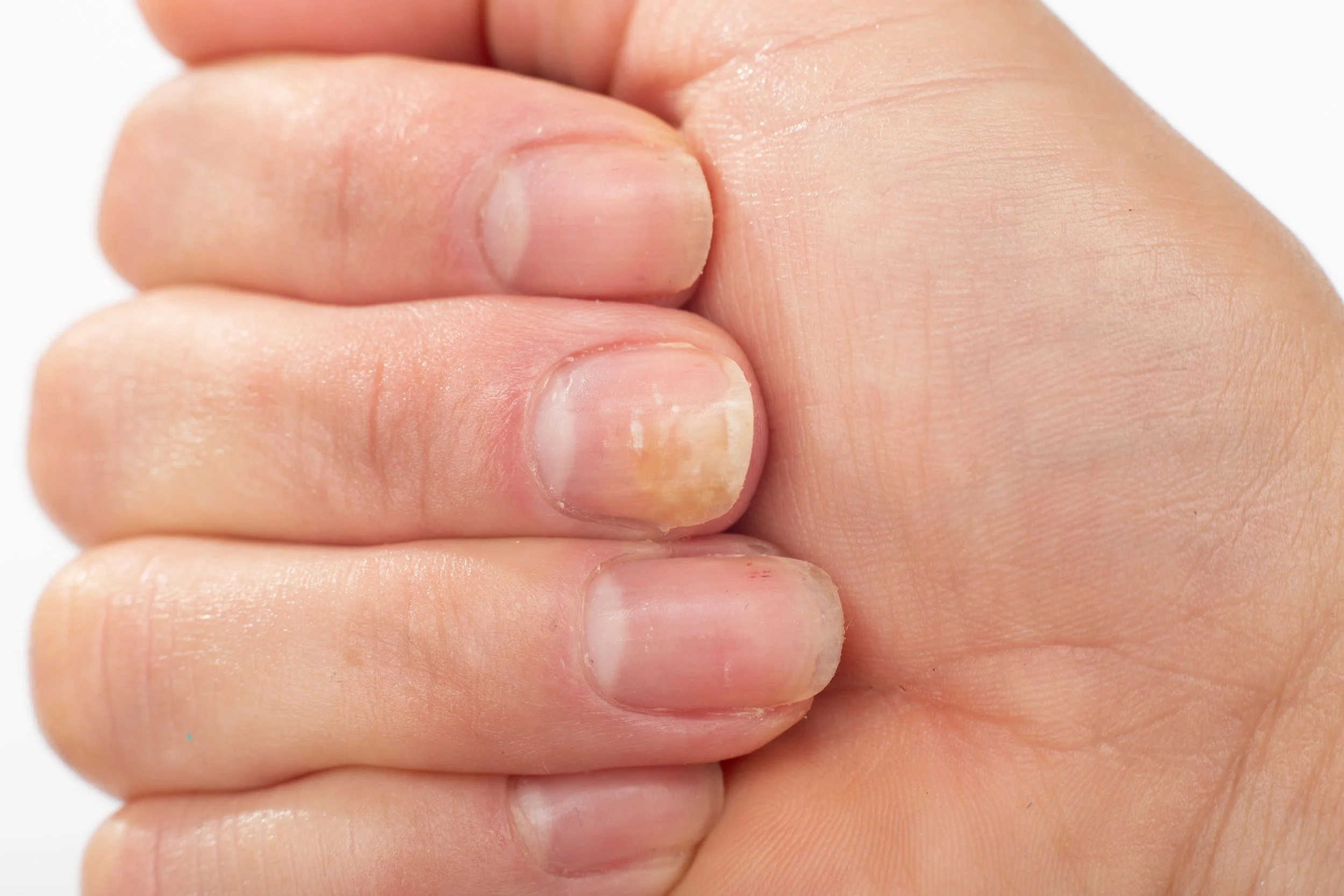
Nail psoriasis and nail fungus are two of the most commonly confused nail conditions. Both can cause thickened, discolored, brittle, or distorted nails, making it difficult to know what’s really causing the problem. Unfortunately, many people assume any abnormal nail is a fungal infection and spend months or even years treating it with over-the-counter antifungal products that never work.
The reason is simple: not every abnormal nail is caused by fungus. In fact, studies have shown that only about half of thickened, discolored nails are actually fungal infections. The rest are caused by conditions such as psoriasis, trauma, eczema, lichen planus, or other nail disorders. Because treatment depends entirely on the correct diagnosis, understanding the differences between nail psoriasis and nail fungus is the first step toward healthier nails.
Why Nail Psoriasis and Nail Fungus Are Often Confused
Both nail psoriasis and nail fungus can change the appearance of the nail in remarkably similar ways. Each may cause discoloration, thickening, crumbling, lifting of the nail from the nail bed (onycholysis), and changes in nail texture. To make matters more confusing, it is possible for someone to have both conditions at the same time. People with nail psoriasis may be more susceptible to developing fungal infections because the abnormal nail structure creates an environment where fungi can grow more easily.
Although the two conditions may look alike, they develop for very different reasons:
Nail fungus (onychomycosis) is an infection caused by fungi, including dermatophytes, yeasts, or molds.
Nail psoriasis is an inflammatory disease caused by the immune system. It is not contagious and cannot be spread from person to person.
Since the treatments are completely different, appearance alone is rarely enough to make an accurate diagnosis.
What Are the Signs of Nail Fungus?
Nail fungus most commonly affects the toenails but can also occur in the fingernails. The infection usually develops gradually and often worsens over time if left untreated.
Common signs include:
Yellow, white, or brown discoloration
Thickened nails
Brittle or crumbly nail edges
Debris collecting underneath the nail
Separation of the nail from the nail bed (onycholysis)
Distorted nail shape
Difficulty trimming the nail
Discomfort when walking or wearing shoes (toenails)
Risk factors for nail fungus include increasing age, athlete’s foot, diabetes, poor circulation, excessive sweating, nail trauma, and a weakened immune system. Because many other nail disorders closely resemble fungal infection, laboratory confirmation is recommended before beginning long-term treatment whenever possible.
What Are the Signs of Nail Psoriasis?
Nail psoriasis develops when psoriasis affects the nail matrix or nail bed. Approximately half of people with psoriasis will develop nail involvement, and it is even more common in those with psoriatic arthritis.
The appearance varies depending on which part of the nail is affected.
Common signs include:
Small pinpoint dents in the nail (nail pitting)
White, yellow, or brown discoloration
An “oil drop” or salmon-colored patch beneath the nail
Thickened nails
Separation of the nail from the nail bed
Crumbling nails
Horizontal ridges or irregular nail growth
Tiny dark lines beneath the nail caused by splinter hemorrhages
Unlike fungal infections, nail psoriasis often occurs alongside other signs of psoriasis, such as scaly skin plaques on the elbows, knees, scalp, or lower back. However, some patients develop nail psoriasis before skin symptoms appear, making diagnosis more challenging. Patients with nail psoriasis may also notice joint pain, swelling, or stiffness that could suggest psoriatic arthritis.
How are Nail Psoriasis and Nail Fungus Diagnosed?
Because these conditions can appear nearly identical, visual examination alone is not always sufficient.
An experienced nail dermatologist will begin by reviewing:
Your medical history
Previous nail treatments
Family history of psoriasis
Skin and joint symptoms
Pattern of nail involvement
History of nail trauma
When fungal infection is suspected, laboratory testing is often recommended. Modern PCR testing offers a highly sensitive way to detect fungal DNA and identify the specific organism responsible for the infection. Traditional fungal cultures or microscopic examination may also be used in certain situations.
If testing is negative for fungus, other causes such as psoriasis become much more likely.
Occasionally, additional testing or a nail biopsy may be recommended when the diagnosis remains uncertain or when other nail disorders need to be ruled out.
An accurate diagnosis often requires combining the clinical examination with appropriate laboratory testing rather than relying solely on how the nail looks.
Why an Accurate Diagnosis Matters
Treating nail psoriasis as though it were a fungal infection can delay effective care for months or even years. Likewise, assuming a fungal infection is actually psoriasis may allow the infection to continue spreading and become more difficult to treat.
Misdiagnosis can lead to:
Unnecessary medications
Months of ineffective treatment
Continued nail damage
Persistent discomfort
Increased cosmetic concerns
Frustration and unnecessary expense
Fortunately, once the correct diagnosis is made, a personalized treatment plan can be developed. Treatment for nail fungus may include oral antifungal medication, topical treatments, laser therapy in selected cases, and strategies to reduce reinfection. Treatment for nail psoriasis focuses on reducing inflammation and may involve topical medications, steroid injections into the nail unit, systemic psoriasis medications, or biologic therapies depending on the severity of disease and whether skin or joint involvement is present.
Patients whose nails have not improved despite repeated treatment attempts should consider a comprehensive evaluation by a physician who specializes in nail disorders. Reviewing prior testing, confirming the diagnosis, and identifying contributing factors often explains why previous treatments have failed.
Get Clarity for Nail Psoriasis vs Nail Fungus Today
If you’ve been treating what you thought was nail fungus without improvement, or you’re unsure whether your nail changes are caused by psoriasis or an infection, it’s time to seek an expert evaluation.
Because nail psoriasis and nail fungus frequently look alike, the right diagnosis is the foundation for successful treatment. Careful examination, appropriate laboratory testing, and review of your medical history can determine exactly what’s affecting your nails and guide the most effective treatment plan.
Whether your goal is confirming a diagnosis, understanding why previous treatments failed, or developing a personalized treatment strategy, an evaluation by a dermatologist with expertise in nail disorders can help you move forward with confidence.