When Does a Nail Need Testing or a Biopsy?
Not every nail problem requires testing, but many do. Thickened, discolored, painful, lifting, or persistently abnormal nails often look similar despite having very different underlying causes. A bacterial infection, fungal infection, inflammatory condition, or even skin cancer can all affect the nail in similar ways. Choosing the correct diagnostic test is often the key to making an accurate diagnosis and selecting the right treatment.
Understanding when a nail needs diagnostic testing—and when a nail biopsy is necessary—can help avoid unnecessary treatments and delays in care. Because the nail unit is a specialized structure, diagnostic procedures should be performed by clinicians with expertise in nail disorders whenever possible.
When Does a Nail Need Diagnostic Testing?
Diagnostic testing is recommended whenever the diagnosis is uncertain or when the results will directly influence treatment. Common situations where testing is beneficial include:
Suspected fungal nail infections (onychomycosis)
Acute bacterial infections around the nail
Nails that remain abnormal despite treatment
Unexplained nail discoloration or thickening
Nail separation (onycholysis) without a clear cause
Concern for inflammatory nail disorders such as psoriasis or lichen planus
Suspicion of nail tumors or skin cancer
Testing helps distinguish between conditions that often appear identical but require completely different treatments. For example, only about half of thickened or discolored nails are actually caused by fungus, making confirmation of the diagnosis an important first step before beginning treatment.
How Are Bacterial Nail Infections Treated?
Bacterial nail infections most commonly develop when bacteria enter through a break in the skin surrounding the nail. This often occurs after picking at the cuticle, aggressive manicures, hangnails, nail biting, or trauma. These infections, known as acute paronychia, should be treated promptly. As pressure builds beneath the skin, pain and swelling worsen, and an abscess may develop. Treatment typically involves:
Draining any collection of pus
Obtaining a bacterial culture
Warm soaks when appropriate
Antibiotics when indicated based on the severity of the infection and culture results
Early treatment usually leads to rapid improvement while reducing the risk of the infection spreading.
What Are the Signs of Acute Paronychia?
Acute paronychia is one of the most common nail infections and usually develops over hours to several days. Symptoms may include:
Redness around the nail
Swelling of the nail fold
Tenderness or throbbing pain
Warmth of the surrounding skin
Pus beneath the skin
Difficulty using the affected finger or toe
If untreated, the infection can worsen and become increasingly painful.
When Is a Bacterial Culture Needed?
When pus is present, obtaining a bacterial culture is an important part of treatment.
A culture identifies:
The specific bacteria causing the infection
Which antibiotics are most effective
Whether antibiotic resistance is present
Rather than prescribing antibiotics based on guesswork, culture results allow treatment to be tailored to the specific organism causing the infection.
What Is a KOH Test?
A potassium hydroxide (KOH) preparation is one of the simplest tests used to evaluate suspected nail fungus. During the test, a small nail clipping or scraping is examined under a microscope after potassium hydroxide is applied. The solution dissolves nail debris while leaving fungal elements intact, making them easier to identify. Advantages of a KOH test include:
Quick results
Low cost
Ability to confirm whether fungus is present
However, a KOH test cannot determine which specific type of fungus is causing the infection.
What Is a Fungal Culture?
A fungal culture identifies the exact species of fungus responsible for a nail infection.
After obtaining a nail sample, the specimen is placed in a specialized growth medium where fungal organisms can grow. Although cultures provide valuable information, they typically require three to six weeks before results become available.
Fungal cultures can be particularly useful in complex or treatment-resistant cases but may delay treatment decisions because of the lengthy turnaround time.
What Is PCR Testing for Nail Fungus?
PCR (polymerase chain reaction) testing is an advanced molecular test that has become one of the most accurate methods for diagnosing nail fungus.
Unlike traditional testing, PCR detects fungal DNA directly from the nail sample.
Benefits of PCR testing include:
High sensitivity and accuracy
Faster results than fungal cultures
Identification of the specific fungal species
Improved guidance for selecting the most effective treatment
Because treatment varies depending on the organism involved, Dr. Stern prefers PCR testing whenever possible to help ensure patients receive the most appropriate therapy.
What Is the Difference Between Nail Clipping and a Nail Biopsy?
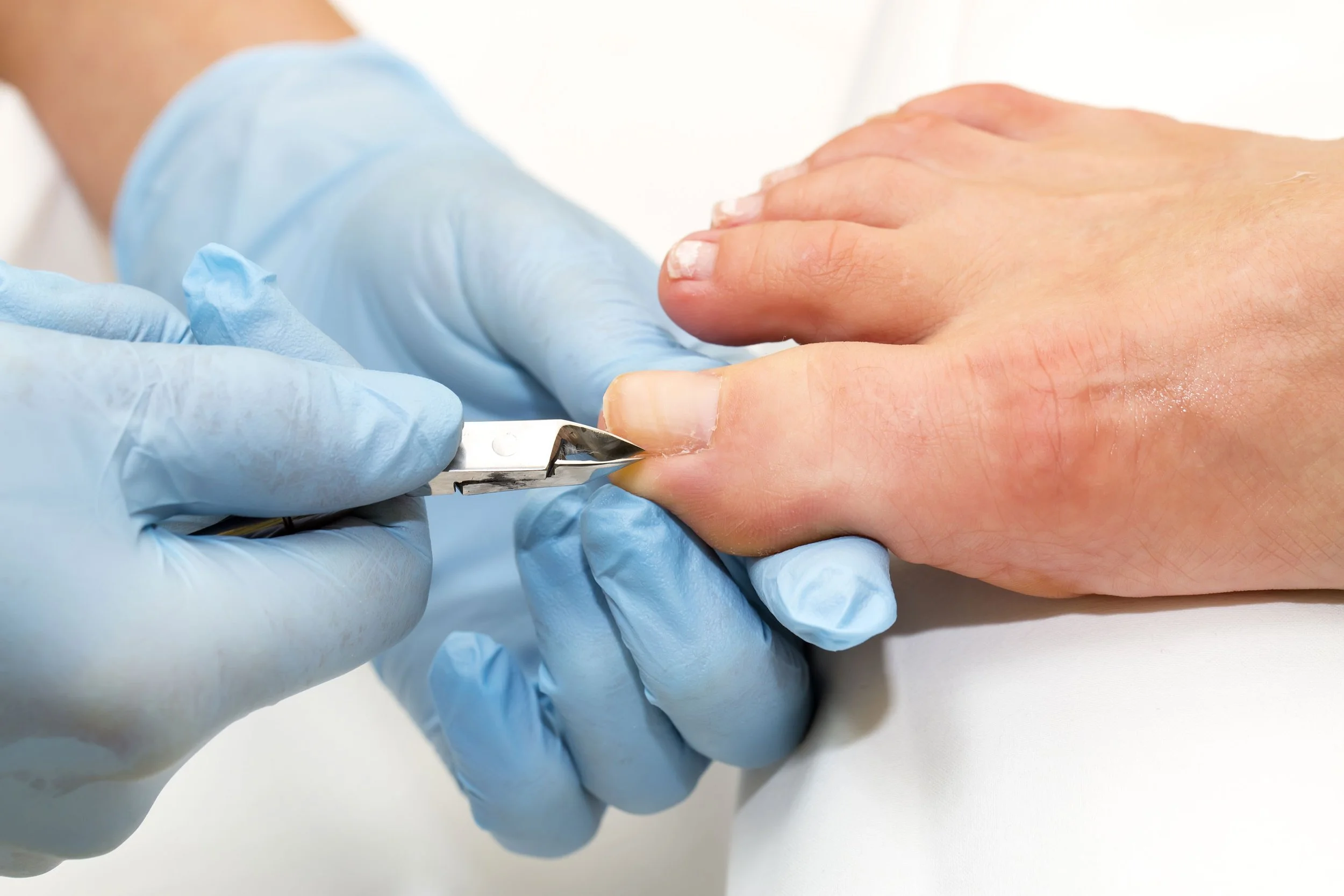
A nail clipping and a nail biopsy are very different procedures. A nail clipping involves trimming a small portion of the nail plate. It does not require anesthesia and is commonly performed to evaluate for fungal infection or certain nail abnormalities.
A nail biopsy, on the other hand, is a minor surgical procedure that requires local anesthesia. During a biopsy, a small sample of tissue is taken from the nail unit, which may include the nail matrix, nail bed, or surrounding skin depending on the suspected diagnosis. Unlike a clipping, a biopsy examines living tissue and can diagnose inflammatory disorders, tumors, pigment abnormalities, and skin cancers affecting the nail.
Because the nail unit has a complex anatomy, nail biopsies should be performed by dermatologists or podiatrists who have expertise in nail surgery. Proper technique is essential to obtain an accurate diagnosis while minimizing the risk of permanent nail deformity. Equally important is having the specimen interpreted by an experienced dermatopathologist—ideally one with expertise in nail disease.
When Is a Nail Biopsy Needed?
A nail biopsy is recommended when noninvasive testing cannot establish the diagnosis or when a serious condition must be ruled out.
Situations where a biopsy may be necessary include:
Persistent nail disease that does not respond to treatment
Suspicion for nail melanoma
Concern for squamous cell carcinoma
Unexplained nail destruction
Chronic inflammatory nail disorders when the diagnosis remains uncertain
Pigmented streaks or nail discoloration concerning for skin cancer
Although biopsies are not needed for most nail conditions, they can be essential when early diagnosis affects treatment and long-term outcomes.
Understand When Nail Testing or a Nail Biopsy Is Needed
The right diagnostic test can make all the difference in treating nail disease successfully. Whether evaluating a bacterial infection, confirming nail fungus, or determining whether a biopsy is necessary, accurate testing helps avoid unnecessary treatments and leads to better outcomes.
If you have a persistent nail problem, repeated treatment failures, or a nail change that has never been fully explained, evaluation by a physician with expertise in nail disorders can help determine whether additional testing—including PCR testing, cultures, or a nail biopsy—is appropriate.