Bad Nail Habits & How to Break Them
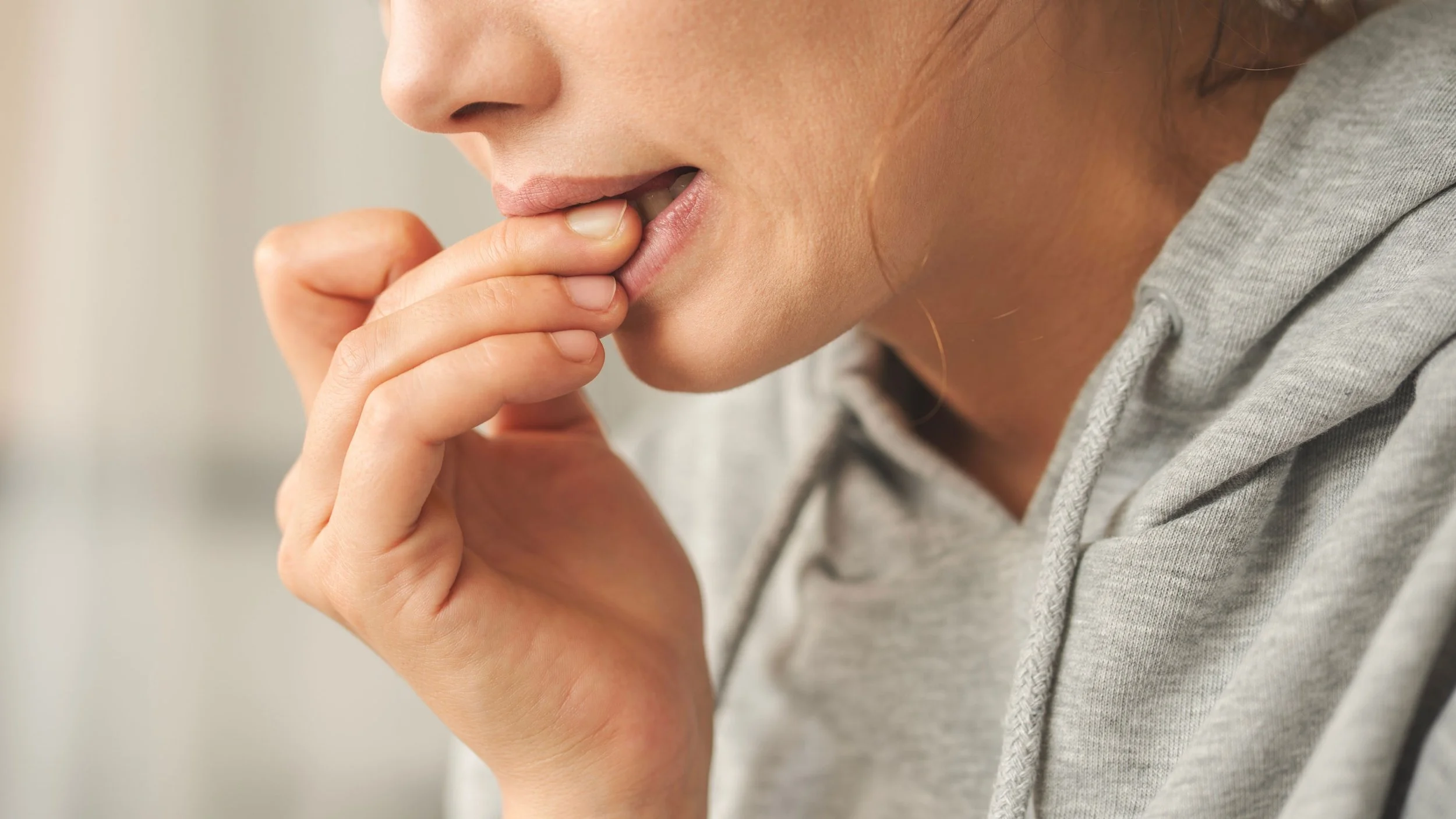
Bad nail habits are far more common—and more damaging—than most people realize. Whether it’s picking off chipped nail polish, biting your nails during stressful moments, pulling at hangnails, or using your nails as convenient tools, these seemingly harmless behaviors can weaken nails, damage the nail matrix, and even lead to infections.
If you’ve struggled to stop nail biting or another nail habit, you’re certainly not alone. It’s estimated that nearly 50% of adults bite their nails at some point in their lives. The encouraging news is that most habit-related nail disorders can be successfully treated with the right combination of expert guidance, motivation, and a behavioral technique known as habit reversal, which helps replace unhealthy habits with healthier alternatives.
Dr. Dana Stern has spent decades treating habit-related nail disorders and helping patients restore healthy, attractive nails. Understanding why these habits occur—and learning practical strategies to break them—is the first step toward stronger nails.
Why Are Bad Nail Habits Difficult to Stop?
Many nail habits become automatic behaviors that occur without conscious thought. Stress, anxiety, boredom, perfectionism, and even simply feeling a rough edge on the nail can trigger repetitive picking or biting. Because these behaviors are often unconscious, simply telling yourself to stop is rarely enough. Habit reversal works by helping you recognize your triggers, interrupt the behavior, and substitute a healthier action before nail damage occurs. The sooner these habits are addressed, the less likely they are to cause long-term changes to your nails.
Habit 1: Picking or Peeling Off Nail Polish
Peeling off nail polish may seem harmless, but every time you remove polish this way, you’re often removing the top layers of the natural nail along with it. Repeated picking can lead to:
Rough nail surfaces
White patches (keratin granulations)
Peeling nails
Thinner, weaker nails
Difficulty keeping polish on in the future
Over time, this repeated trauma can leave nails looking dull and uneven.
How to Stop Picking Nail Polish
If you notice a chip, resist the urge to peel it.
Instead:
Remove the remaining polish properly using nail polish remover.
Apply a fresh coat of polish.
Keep a small bottle of polish remover available for touch-ups.
Avoid allowing polish to remain chipped for extended periods.
Proper nail preparation before polishing also helps extend manicure wear. Creating a smooth, healthy nail surface allows polish to adhere better and chip less frequently.
Habit 2: Picking Hangnails and Cuticles
Those tiny pieces of loose skin around the nails can be incredibly tempting to pull.
Unfortunately, picking hangnails often causes:
Redness
Bleeding
Pain
Inflammation
Infection around the nail (paronychia)
Hangnails usually develop because the surrounding skin has become dry or damaged rather than because there is excess skin that needs to be removed.
How to Stop Picking Hangnails and Cuticles
The best treatment is prevention.
Healthy habits include:
Applying cuticle oil daily.
Moisturizing hands frequently.
Scheduling regular manicures to safely trim hangnails.
Trimming loose skin carefully with clean cuticle nippers rather than pulling it.
Well-hydrated cuticles are much less likely to develop painful hangnails.
Habit 3: Biting Your Nails
Nail biting (onychophagia) is one of the most common habit-related nail disorders. Although stress and anxiety are common triggers, many people bite their nails simply because they’re bored or unaware they’re doing it. Besides weakening the nails, nail biting exposes your mouth to bacteria, viruses, and dirt that naturally accumulate beneath the fingernails.
Chronic nail biting may also lead to:
Short, damaged nails
Nail deformities
Cuticle injury
Frequent infections
Permanent changes in nail shape when severe and longstanding
How to Stop Biting Your Nails
Breaking a nail-biting habit often requires multiple strategies.
Helpful approaches include:
Keeping nails trimmed short.
Scheduling regular professional manicures.
Identifying stress triggers.
Using habit-reversal techniques.
Applying bitter-tasting nail coatings if appropriate.
Keeping hands occupied during stressful situations.
Many people also find that investing time and money into maintaining a beautiful manicure provides extra motivation to avoid biting. If nail biting has caused significant nail deformity or has become difficult to control, consultation with a dermatologist may be helpful.
Habit 4: Using Your Nails as Tools
We’ve all done it. Whether opening a package, scraping off a sticker, prying open a can, or tightening a loose screw, nails often become convenient tools. Unfortunately, they’re not designed for these jobs.
Using your nails as tools commonly leads to:
Nail splitting
Cracks
Breakage
Nail lifting
Painful tears
Damage to the nail bed
Even healthy nails become vulnerable when repeatedly subjected to this type of trauma.
How to Stop Using Your Nails as Tools
The simplest solution is also the most effective.
Instead of reaching for your nails:
Use the proper household tool.
Carry a small keychain tool if you frequently open packages.
Ask for assistance when needed.
Pause before using your nails and consciously choose another option.
Taking a few extra seconds can save weeks or months of nail growth.
Can Bad Nail Habits Permanently Damage Your Nails?
Sometimes. Occasional picking or biting usually causes temporary damage that improves once the behavior stops. However, chronic habits that repeatedly injure the nail matrix—the area where the nail is produced—can eventually result in permanent changes.
These may include:
Chronic ridging
Nail splitting
Thickening
Permanent nail deformity
Short, wide nails from long-standing nail biting
Persistent inflammation around the nail folds
The earlier these habits are addressed, the better the chances of complete recovery.
When Should You Consult a Nail Doctor?
Many people are able to improve their nail habits on their own, but sometimes professional evaluation is necessary.
You should consider seeing a dermatologist if:
Your nails remain damaged despite stopping the habit.
You have frequent infections around the nails.
Your nails have changed shape.
Nail biting or picking has become difficult to control.
You’re unsure whether your nail changes are caused by a habit or another nail disorder.
Your nails are painful or interfere with daily activities.
Because many nail conditions resemble one another, an accurate diagnosis is essential before beginning treatment. What appears to be damage from a habit may actually represent psoriasis, fungal infection, eczema, or another nail disorder.
Break Bad Nail Habits Before They Cause Lasting Damage
Small nail habits can have surprisingly big consequences over time. Picking nail polish, pulling hangnails, biting your nails, and using your nails as tools may seem harmless in the moment, but repeated trauma can weaken nails, increase the risk of infection, and even lead to permanent nail changes.
The good news is that most habit-related nail damage can be reversed once the behavior is recognized and addressed. With habit-reversal techniques, proper nail care, and expert guidance when needed, healthier nails are well within reach. If you’ve struggled to break a nail habit or are concerned about persistent nail damage, Dr. Dana Stern specializes in diagnosing and treating habit-related nail disorders and can help develop a personalized plan to restore the health and appearance of your nails.