Why Toenail Fungus Comes Back After Treatment
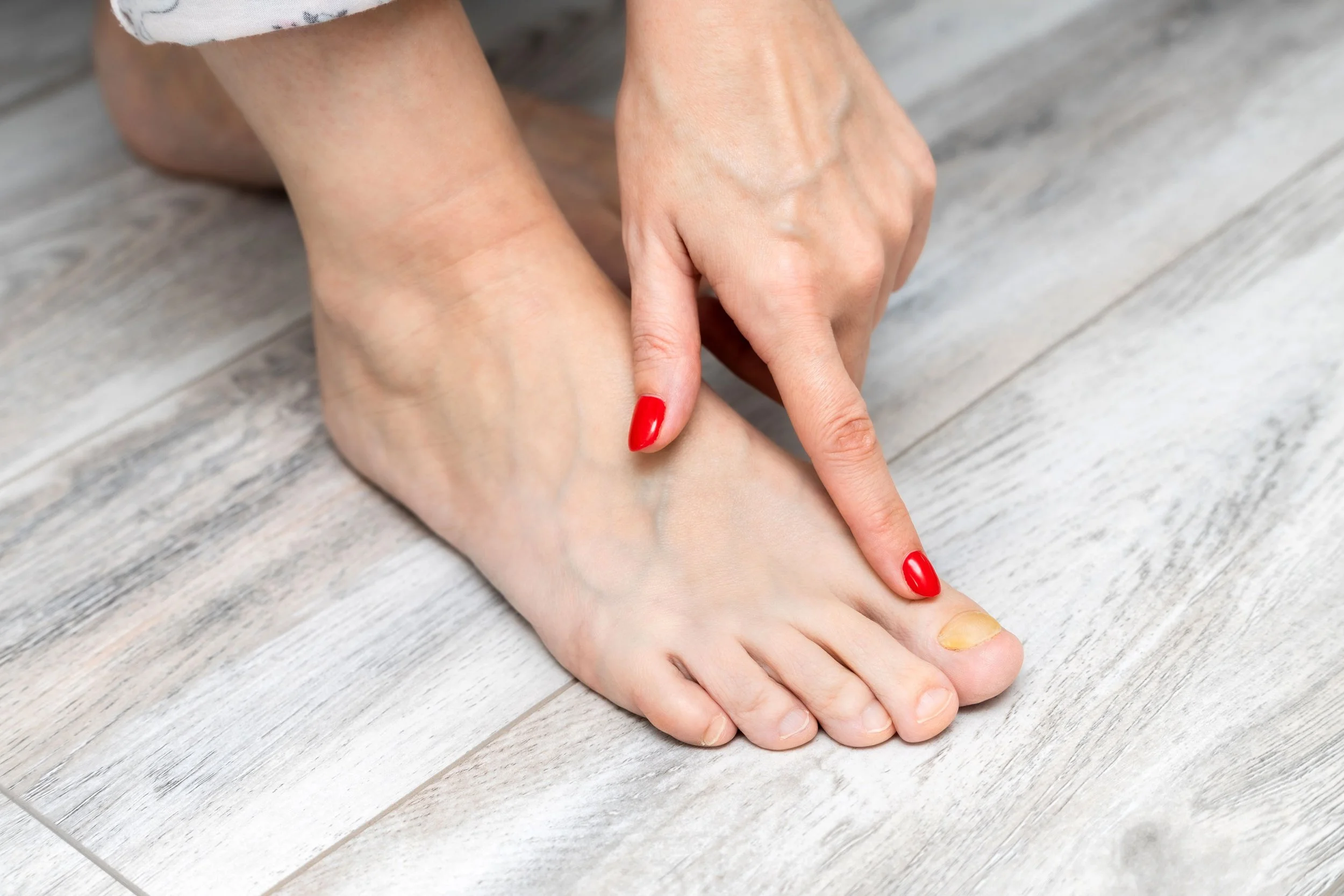
One of the most frustrating aspects of treating toenail fungus is that it can return even after what seemed like successful treatment. Many patients assume that recurrence means the medication “didn’t work,” but that’s often not the case.
Toenail fungus has one of the highest recurrence rates of any nail condition. In many cases, the original infection was successfully treated, but the nail later became infected again. Understanding why this happens can help you reduce the risk of future infections and improve your long-term treatment success.
Did the Toenail Fungus Return or Was It Never Fully Cleared?
One of the first questions to ask when toenail fungus comes back is whether the original infection was truly cured. Sometimes the infection was successfully eliminated, and the nail later became infected again. In other cases, small numbers of fungal organisms remained after treatment because the infection was never completely eradicated. This can happen if treatment is stopped too early or if the infection was particularly extensive.
Another possibility is that the nail changes were never caused by fungus in the first place. Approximately half of thickened, yellow toenails are not fungal. Conditions such as nail psoriasis, chronic trauma, retronychia, and age-related nail changes can closely resemble fungal infections and require completely different treatments.
This is why confirming the diagnosis with appropriate laboratory testing before treatment is so important.
Athlete’s Foot Is a Common Source of Reinfection
The single most important risk factor for recurrent toenail fungus is athlete’s foot (tinea pedis).
Athlete’s foot often causes:
Itching between the toes
Peeling skin
Scaling on the soles
Cracking between the toes
Athlete’s foot and toenail fungus are caused by the same group of fungi. While treatment may successfully eliminate the fungus from the nail, fungal organisms often remain on the surrounding skin of the feet. The skin then acts as a reservoir, allowing the fungus to spread back into the growing nail over time.
For this reason, successful treatment of toenail fungus almost always requires treating athlete’s foot at the same time.
How Shoes and Public Areas Can Cause Reinfection
Even after a fungal infection has been cured, reinfection remains possible because fungi are common in our environment. Common sources of reinfection include:
Walking barefoot in public locker rooms
Communal showers
Pool decks
Gym locker rooms
Damp shoes and socks
Shoes contaminated with fungal spores
Fungi thrive in warm, moist environments, making footwear an ideal place for fungal organisms to survive. In some cases, patients unknowingly reintroduce fungus into healthy nails by repeatedly wearing contaminated shoes. Reduce reinfection risk by avoiding wearing shoes without socks, and using antifungal powders or sprays.
Can Nail Trauma Make Toenail Fungus Come Back?
Yes. Nail trauma can make recurrence more likely. Repeated pressure from tight-fitting shoes, running, hiking, sports, or accidental injury can damage the nail plate and create tiny openings where fungal organisms can enter.
Chronic trauma may also cause the nail to lift slightly from the nail bed (onycholysis), creating a warm, protected space where fungi can grow more easily. Although trauma itself does not cause fungal infection, it makes nails much more susceptible to becoming infected. Individuals who regularly participate in sports or occupations involving repetitive pressure on the feet may have a higher risk of recurrent infection.
How to Prevent Toenail Fungus from Returning
Although recurrence cannot always be prevented, several simple habits can significantly reduce your risk.
These include:
Treat athlete’s foot promptly whenever it develops.
Keep feet clean and dry.
Dry carefully between the toes after bathing.
Change socks daily, or more often if your feet perspire heavily.
Wear breathable footwear.
Alternate shoes so they can dry completely between uses.
Consider antifungal powders or sprays inside shoes if recommended.
Wear sandals in locker rooms, gyms, and public showers.
Avoid sharing nail clippers or foot care instruments.
Use separate nail clippers for infected and healthy nails.
For patients with frequent recurrences, your dermatologist may recommend a maintenance regimen, such as periodic use of a prescription topical antifungal medication even after the infection has cleared.
When Recurrent Toenail Fungus Needs Further Testing
If your toenail fungus repeatedly returns despite appropriate treatment, additional evaluation is often warranted.
Your dermatologist may recommend repeat laboratory testing to determine:
Whether fungus is still present
Which organism is causing the infection
Whether another nail disorder is contributing to the abnormal appearance
Testing may include microscopic examination, fungal culture, or PCR (molecular) testing. In some patients, recurrent nail changes are ultimately found to be caused by conditions such as nail psoriasis, chronic trauma, or other inflammatory nail disorders rather than persistent fungal infection. Identifying the correct diagnosis is essential before beginning another course of treatment.
Find the Cause of Recurrent Toenail Fungus
One of the most common misconceptions about toenail fungus is that if it comes back, treatment must have failed. In reality, recurrence and treatment failure are not the same thing.
Many patients are successfully cured of their original fungal infection, only to develop a new infection months or years later through exposure to fungal organisms in the environment. Others continue to struggle because athlete’s foot was never treated, the original infection was not completely eradicated, or the nail changes were never caused by fungus in the first place.
If your toenail fungus continues to return despite treatment, an evaluation by a board-certified dermatologist with expertise in nail disorders can help determine why. Dr. Dana Stern specializes exclusively in disorders of the nail and uses advanced diagnostic testing when appropriate to identify the true cause of persistent or recurrent nail changes. An accurate diagnosis is the foundation for effective treatment and healthy nails.