What Causes Yellow Nails?
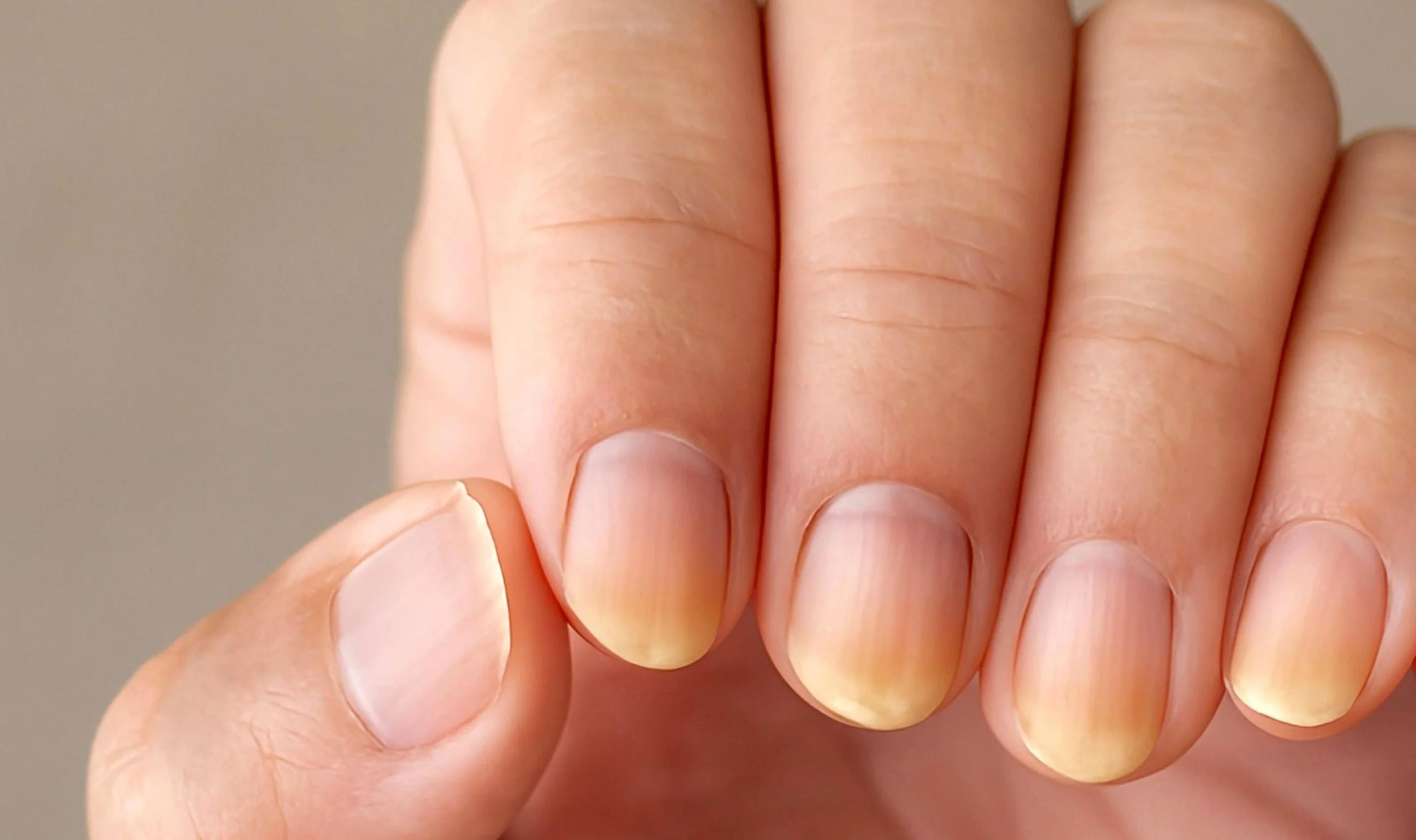
Have you ever looked down at your nails and wondered, “Why are my nails yellow?” Yellow nails are a common concern and can result from something as simple as nail polish staining or indicate an underlying medical condition that requires treatment. While some causes are purely cosmetic, others may signal nail fungus, nail lifting, or even a rare systemic disorder. Understanding the different causes of yellow nails is the first step toward choosing the right treatment. Because many nail conditions look similar, an accurate diagnosis is often essential before beginning therapy.
What Causes Yellow Nails?
Yellow nails develop for many different reasons. Sometimes the discoloration comes from external staining, while other times it reflects changes occurring within the nail itself.
Common causes include:
Nail polish staining
Environmental exposures
Nail fungus (onychomycosis)
Nail lifting (onycholysis)
Yellow Nail Syndrome
Certain inflammatory skin diseases, including psoriasis
Determining the cause depends on the appearance of the nail, whether one or multiple nails are involved, associated symptoms, and your medical history.
Why Do Nails Turn Yellow?
Nails appear yellow when pigments become trapped within the nail plate or when disease changes the structure of the nail.
External pigments from nail polish, tobacco, turmeric, henna, and self-tanning products can stain the nail surface. Medical conditions, on the other hand, often change the nail from within, causing yellow discoloration along with thickening, lifting, crumbling, or slowed nail growth.
Because treatment varies greatly depending on the cause, identifying the underlying reason for the discoloration is critical.
Common Causes of Yellow Nails:
Nail Polish Staining
One of the most common causes of yellow fingernails is staining from nail polish. People with naturally more porous nails are particularly prone to pigment migration into the nail plate. Darker polish colors generally contain more pigment and are therefore more likely to stain, although lighter colors can also cause discoloration.
Nail polish remover may contribute as well. As the polish dissolves, pigments can temporarily leach into the nail plate. The longer polish remover remains in contact with the nail, the greater the opportunity for staining to occur.
Importantly, this phenomenon is not related to any particular nail polish brand—it can occur with virtually any polish.
Environmental Exposure
Several everyday substances can stain the nails yellow.
Common examples include:
Tobacco
Self-tanning products
Turmeric
Henna
Certain occupational exposures
In these situations, a careful history of recent exposures often identifies the cause.
Nail Fungus
One of the most common medical causes of yellow nails is onychomycosis, or nail fungus. Nail fungus affects approximately 35 million Americans and most commonly involves the toenails.
Typical features include:
Yellow discoloration
Thickening
Crumbling
Debris beneath the nail
Distorted nail shape
Fingernail fungus is much less common than toenail fungus. Most toenail fungal infections begins as athlete’s foot before spreading into the nail through areas of injury or nail lifting.
Because many other nail disorders resemble fungal infection, laboratory confirmation is recommended before beginning treatment.
Nail Lifting and Onycholysis
Another common cause of yellow nails is onycholysis, or separation of the nail plate from the underlying nail bed. Unlike fungal infection, which primarily affects toenails, onycholysis commonly occurs in both fingernails and toenails. When the nail lifts away from the nail bed, air and debris accumulate beneath it, creating a white-to-yellow appearance.
Common causes include:
Repeated trauma
Aggressive cleaning beneath the nail
Psoriasis
Thyroid disease
Irritation from chemicals
Once the nail separates, yeast frequently colonize the moist space beneath the nail, contributing to persistent discoloration.
Yellow Nail Syndrome
Yellow Nail Syndrome is a rare medical condition characterized by slow-growing, thickened yellow to green nails.
Patients often have:
Thick nails
Yellow or green discoloration
Loss of the cuticle
Absent lunula (the white half-moon)
Yellow Nail Syndrome is frequently associated with disorders of the lymphatic system, chronic lung disease, or, less commonly, certain malignancies.
Treatment focuses on managing the underlying medical condition, although nail changes are often chronic.
How Can You Tell if Yellow Nails Are From Nail Polish or a Medical Condition?
The appearance of the nail often provides important clues.
Polish staining typically causes:
Uniform yellow discoloration
Smooth nail surface
Normal nail thickness
Otherwise healthy-looking nails
A history of frequent nail polish use
Medical causes frequently produce additional abnormalities such as:
Thickening
Crumbling
Nail lifting
Surface irregularities
Slowed nail growth
Pain or tenderness
If you’re uncertain about the cause, evaluation by a dermatologist can help distinguish cosmetic staining from an underlying nail disorder.
What Do Yellow Nails From Fungus Look Like?
Fungal nails usually develop more than simple discoloration.
They often appear:
Thickened
Yellow, white, or brown
Brittle
Crumbly
Distorted
Separated from the nail bed
Filled with debris beneath the nail
These changes most commonly affect the toenails and often develop gradually over months or years. Because nearly half of thickened yellow toenails are not caused by fungus, testing is recommended before treatment.
Can Nail Lifting Make the Nail Look Yellow?
Yes. When the nail separates from the nail bed, the resulting space fills with air, keratin debris, and sometimes yeast. This causes the detached portion of the nail to appear white, cream-colored, or yellow. Unlike fungal infection, onycholysis is usually the result of trauma, inflammatory skin disease, repeated exposure to water or chemicals, or aggressive cleaning beneath the nail.
Successful treatment requires addressing the underlying cause of the lifting rather than simply treating the discoloration.
When Are Yellow Nails a Sign of Yellow Nail Syndrome?
Yellow Nail Syndrome is uncommon but should be considered when yellow nails occur together with markedly slow nail growth and characteristic nail changes.
Patients often notice:
Thick yellow nails affecting multiple fingers and toes
Loss of cuticles
Absent lunulae
Chronic swelling
Respiratory symptoms
Because this syndrome is associated with systemic disease, medical evaluation is essential.
How Are Yellow Fingernails Treated?
Treatment depends entirely on the underlying cause.
Treatment for Nail Polish Staining
Polish staining is cosmetic rather than medical. Treatment options include:
Taking a break from nail polish
Allowing the nail to grow out naturally
Camouflaging the discoloration with fresh polish
Patients wishing to lighten stains at home may try a diluted hydrogen peroxide soak.
Mix:
3–4 tablespoons hydrogen peroxide
½ cup water
Soak the nails for approximately two minutes, gently scrub the surface with a soft toothbrush, rinse thoroughly, and repeat two to three times weekly as needed. Whitening toothpaste containing hydrogen peroxide may also help reduce superficial staining.
Treatment for Nail Fungus
Treatment depends on the severity of the infection.
Options may include:
Prescription topical antifungal medications
Oral antifungal medications
Combination therapy
Nail trimming or debridement
Because many nail conditions mimic fungal infection, laboratory confirmation should ideally be obtained before treatment begins.
Treatment for Onycholysis
Treatment focuses on correcting the underlying cause of nail separation.
This may include:
Avoiding excessive water exposure
Limiting nail polish remover
Protecting nails from household chemicals
Treating psoriasis or other inflammatory conditions
Prescription topical anti-yeast medication when yeast colonization is present
As the underlying problem improves, healthy nail gradually grows back attached to the nail bed.
How Can You Prevent Nail Polish From Staining Your Nails?
Preventing polish staining begins with maintaining healthy nails.
Helpful strategies include:
Avoid excessive filing of the nail surface.
Keep nails healthy and smooth.
Remove nail polish promptly rather than prolonged rubbing with remover.
Wash hands soon after polish removal.
Consider using a base coat before applying colored polish.
Take occasional polish breaks if staining becomes recurrent.
Healthy nails are less porous and therefore less likely to absorb pigment.
Find the Cause of Yellow Nails With Dana Stern, MD
Yellow nails are not a diagnosis—they’re a symptom with many possible causes. While nail polish staining is common and harmless, yellow nails may also result from fungal infection, nail lifting, inflammatory nail disorders, or, in rare cases, systemic disease. Because many of these conditions look remarkably similar, an accurate diagnosis is essential before beginning treatment.
Dr. Dana Stern specializes exclusively in disorders of the nail and provides expert evaluation to determine the true cause of yellow nails. Whether your discoloration is cosmetic or medical, identifying the underlying problem is the first step toward restoring healthy, natural-looking nails.