When Should You See a Dermatologist for Nail Fungus?
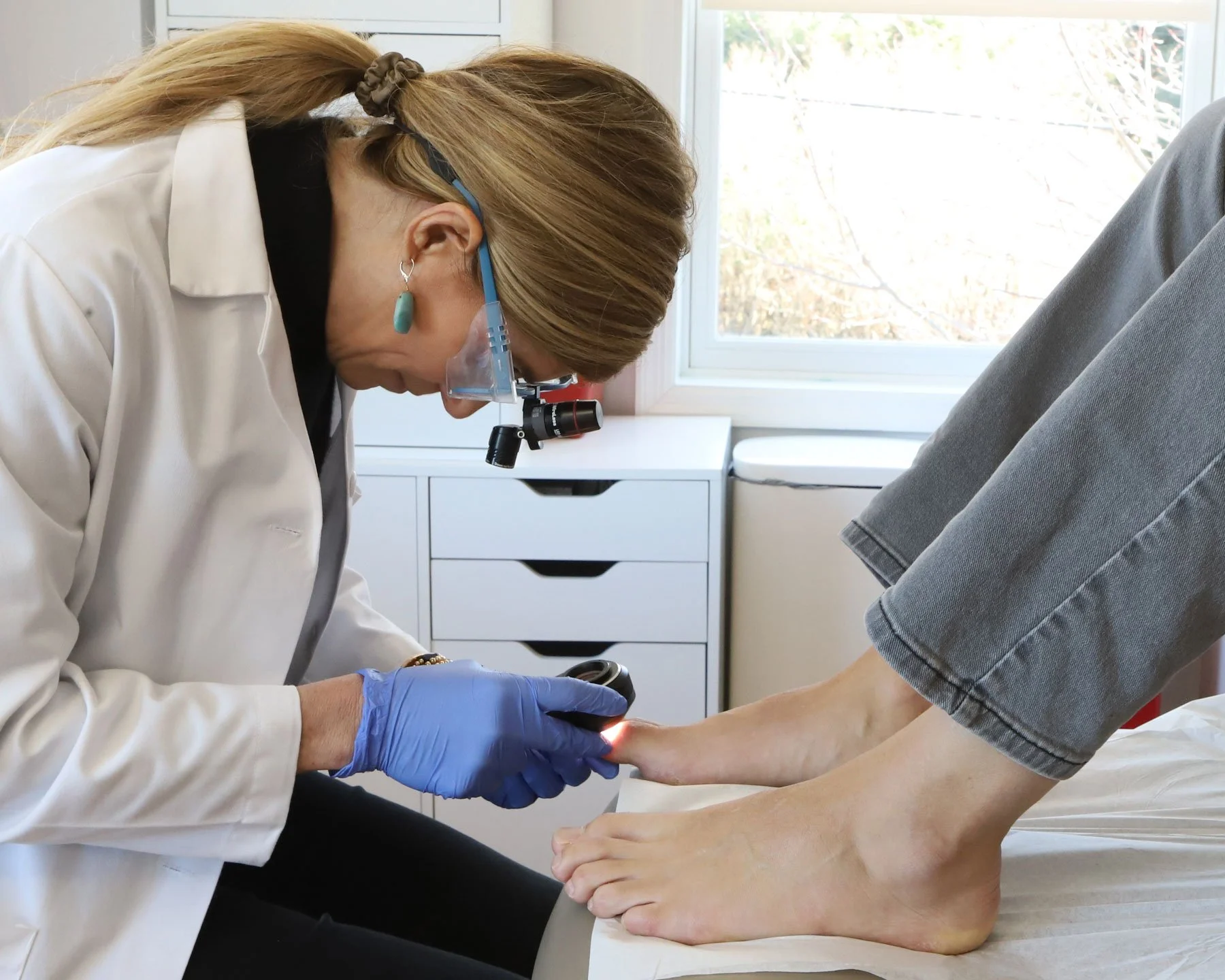
Nail fungus is one of the most common nail disorders seen by dermatologists, yet it is also one of the most misunderstood. If you’ve noticed a thickened, yellow, brittle, or lifting toenail, you may be wondering whether it’s simply a cosmetic concern or something that requires medical attention. Many people spend months trying over-the-counter treatments, home remedies, or even laser therapy before seeing a dermatologist, only to discover that they never had nail fungus in the first place.
The good news is that nail fungus is treatable. The key is making the correct diagnosis early and choosing the right treatment before the infection becomes more extensive.
What is Nail Fungus?
Nail fungus, also known as onychomycosis, is a fungal infection that affects the nail plate and the tissue beneath it. It most commonly involves the toenails because fungi thrive in the warm, moist environment created by socks and shoes.
Unlike athlete’s foot, which affects the skin, nail fungus grows within and beneath the nail itself, making it much more difficult for medications to reach the organisms causing the infection.
As the infection progresses, the nail may become discolored, thickened, brittle, distorted, or begin lifting away from the nail bed. Debris often accumulates beneath the nail, making trimming difficult and sometimes uncomfortable.
What Are Signs of Nail Fungus?
Nail fungus can appear differently from person to person, but common signs include:
Yellow, white, or brown nail discoloration
Thickened nails
Brittle, crumbly, or ragged nails
Nail lifting from the nail bed (onycholysis)
Debris beneath the nail
Distorted nail shape
Difficulty trimming the nail
Pain or pressure, particularly when wearing shoes
Because these symptoms overlap with many other nail disorders, appearance alone cannot reliably confirm a fungal infection.
When Should You See a Dermatologist for Nail Fungus?
If you suspect you have nail fungus, it’s best to see a dermatologist as early as possible. Fungal nail infections become more difficult to treat as they progress, particularly when multiple nails become involved. Early diagnosis and treatment provide the best opportunity to eliminate the infection before it becomes more extensive.
You should also seek evaluation if:
Your nail becomes painful
The infection interferes with walking, exercise, or daily activities
You’ve tried multiple treatments without improvement
You have diabetes, poor circulation, or a weakened immune system
You’re unsure whether your nail changes are actually caused by fungus
Many people first try over-the-counter products, botanical remedies, or home treatments. While these options may seem appealing, they are generally far less effective than prescription therapies recommended by a dermatologist. Delaying appropriate evaluation often prolongs the problem and allows the infection to worsen.
Is Every Thick or Yellow Nail Caused by Fungus?
No. This is one of the biggest misconceptions about nail fungus. Approximately half of thickened or discolored toenails are not caused by fungal infection. Several nail disorders closely mimic nail fungus, including:
Nail psoriasis
Chronic shoe trauma
Retronychia
Age-related nail changes
Other inflammatory nail disorders
Because these conditions often look nearly identical, self-diagnosis frequently leads to frustration. Many patients spend months—or even years—using antifungal treatments that were never going to work because the underlying diagnosis was incorrect. Obtaining the correct diagnosis is often the most important step in achieving healthy nails.
Why Is Nail Fungus Testing Important?
Before beginning treatment, confirming that fungus is actually present is essential. Treating a nail that does not have a fungal infection exposes patients to unnecessary medications, expense, and disappointment. Laboratory confirmation also allows your dermatologist to identify the specific organism responsible for the infection, which can influence treatment recommendations. Testing may include:
Microscopic examination of nail clippings
Special fungal stains
Fungal culture
PCR (molecular) testing
Laboratory testing helps ensure that treatment is targeted appropriately and can also identify cases where more than one nail condition is contributing to the abnormal appearance.
How Does Dr. Stern Diagnose Nail Fungus?
Dr. Stern begins with a detailed review of your medical history, previous treatments, and careful examination of your nails. When a live video consultation is appropriate, PCR nail testing can be coordinated to accurately identify whether fungus is present and determine the specific organism involved. This advanced molecular testing provides highly sensitive and rapid results that help guide treatment decisions.
For patients choosing an asynchronous e-visit, Dr. Stern provides a comprehensive evaluation and individualized treatment plan that includes recommendations for appropriate diagnostic testing to be completed with a local healthcare provider if necessary. This personalized approach helps ensure that treatment is based on an accurate diagnosis rather than appearance alone.
How Long Does Nail Fungus Treatment Take to Work?
One of the most important things patients should understand is that successful treatment requires patience. Even after the fungus has been eliminated, the damaged nail must gradually grow out and be replaced by healthy new nail.
In general:
Fingernails often require about 6 months to fully grow out.
Toenails typically require 12 to 18 months, depending on the individual’s rate of nail growth.
Treatment may include prescription topical medications, oral antifungal medications, or a combination of both, depending on the severity of the infection, the number of nails involved, and your overall health.
Why Does Nail Fungus Come Back After Treatment?
Unfortunately, recurrence is common even after successful treatment because fungal organisms are widespread in our environment. Common reasons nail fungus returns include:
Untreated athlete’s foot
Contaminated footwear
Reinfection from shared nail instruments
Incomplete eradication of the original infection
An incorrect initial diagnosis
Fortunately, several simple preventive measures can reduce the risk of recurrence:
Keep feet clean and dry.
Change socks regularly.
Wear breathable shoes.
Treat athlete’s foot promptly.
Disinfect shoes when appropriate.
Avoid sharing nail clippers.
Wear sandals in public locker rooms and communal showers.
Use separate nail clippers for infected and healthy nails.
Avoid wearing contaminated leather shoes without socks after treatment.
For patients prone to recurrent fungal infections, a dermatologist may also recommend a long-term maintenance plan to help prevent future infections.
Conclusion: Find the Right Nail Fungus Treatment and Diagnosis with Dr. Stern
If you’ve noticed changes in one or more toenails, don’t assume they’re caused by nail fungus. While fungal infections are common, nearly half of abnormal-looking nails are due to other conditions that require entirely different treatment. Obtaining the correct diagnosis early can save months of ineffective therapy and significantly improve your chances of successful treatment.
Through her nail-focused virtual practice, Dr. Dana Stern provides expert evaluation, advanced diagnostic guidance, and individualized treatment plans designed to identify the true cause of your nail changes and recommend the most effective treatment for your specific condition. Early diagnosis is the first step toward healthier nails and better long-term results.